


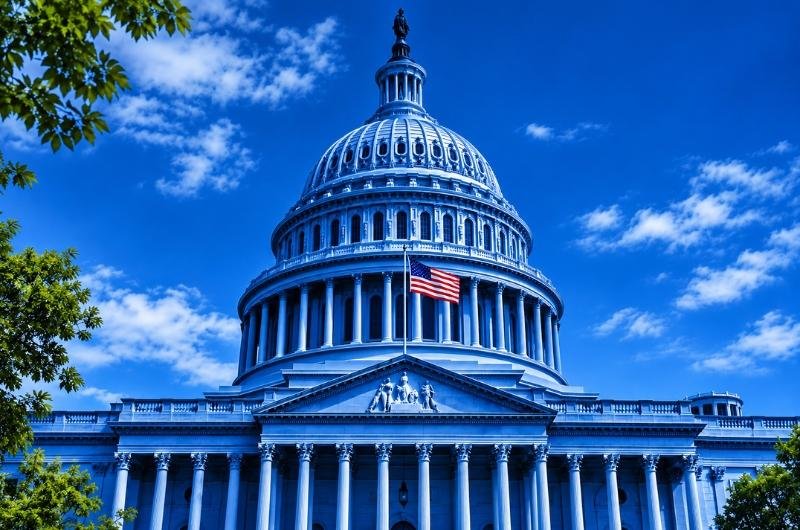
Democrats have won control of both the U.S. House of Representatives and Senate following Tuesday’s midterm elections, overturning Republican majorities and dramatically reshaping the balance of power in Washington. The November 3 election delivered Democratic victories across traditional battlegrounds and longtime Republican strongholds, setting the stage for a divided federal government during the final two years of President Donald Trump’s second term.
The party’s gains extended into states where Republicans had maintained a strong political advantage for decades. Democrats captured Senate seats in Texas, Kansas, South Carolina, Ohio and North Carolina, while also winning competitive House races across the country. In Texas, Democrat James Talarico defeated Republican Ken Paxton, while Kansas elected its first Democratic U.S. senator since 1932.
Economic concerns played a central role in the election. Exit polling conducted by SSRS for a consortium of major news organizations found that nearly nine in ten voters considered the cost of living a crucial or major factor in their decisions. Rising prices, the war with Iran and concerns about government corruption also shaped the national political debate, with many voters expressing dissatisfaction with the country’s direction.
The results represent a substantial change for President Trump, whose administration has operated with Republican control of Congress since January 2025. When the new Congress convenes in January 2027, Democratic majorities will gain authority over congressional committees, investigations and legislative priorities. The Senate will also have the power to reject presidential nominees, while the House can advance oversight inquiries and challenge administration policies.
Trump has acknowledged the election results and expressed a willingness to work with Democrats on certain issues, although significant disagreements over immigration, federal spending and other policies remain. Republican leaders have also indicated they intend to defend the administration’s legislative accomplishments against Democratic efforts to reverse them.
Democrats now face the challenge of turning their election victories into legislative results while working with a Republican president who retains veto authority. With several individual races still awaiting final resolution, the November 3 election has already established a new political landscape that will shape the remainder of Trump’s presidency.