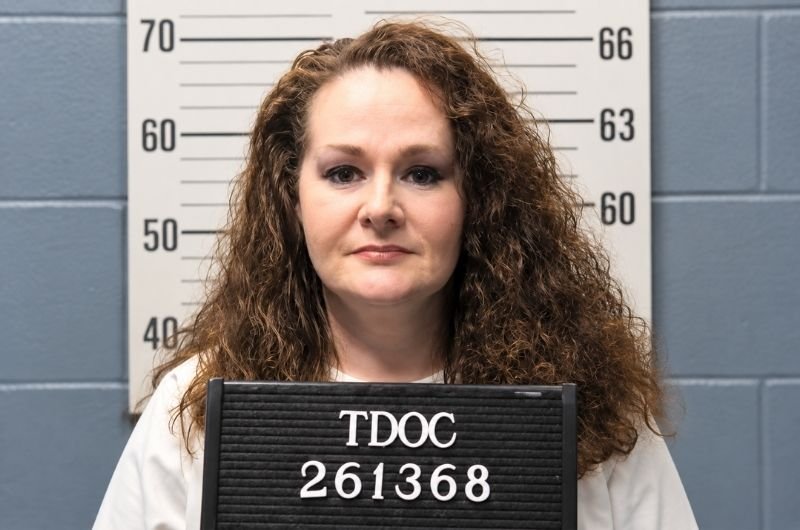
Tennessee has halted executions after death row prisoner Christa Pike survived two doses of the state’s lethal injection drug during an attempt to execute her Wednesday night. Pike was taken from Riverbend Maximum Security Institution in Nashville to a hospital, where her attorneys said Thursday she remained in critical condition and was receiving lifesaving care.
Pike, 50, was given an initial dose and a backup dose of pentobarbital, but neither completed the execution. Her attorneys said she remained alive and breathing after the drugs were administered. They also said it is not yet known whether she suffered brain damage from oxygen deprivation during the prolonged procedure.
The Tennessee Department of Correction said it followed every step of the state’s established execution protocol and that the protocol did not permit officials to take additional steps after the procedures already carried out. The department has not publicly determined why the drugs failed to kill Pike. Her attorneys have raised the possibility that problems placing an IV may have prevented the drug from properly entering her bloodstream.
Gov. Bill Lee called the incident “deeply disturbing” and ordered a comprehensive independent review. Pike’s execution has been indefinitely postponed, and Tennessee’s only other execution scheduled for 2026 has also been postponed. The failed attempt was the second time this year Tennessee was unable to complete an execution, although in the earlier case officials were unable to establish a suitable IV line and did not administer the execution drug.
Pike was sentenced to death for the 1995 killing of 19-year-old Colleen Slemmer, which Pike committed when she was 18. Had Wednesday’s execution been completed, Pike would have become the first woman executed in Tennessee in more than 200 years. Her attorneys are now asking the state to reduce her death sentence to life in prison following the failed execution.