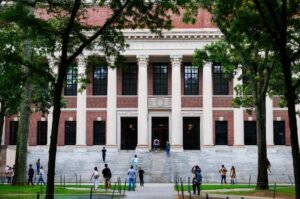


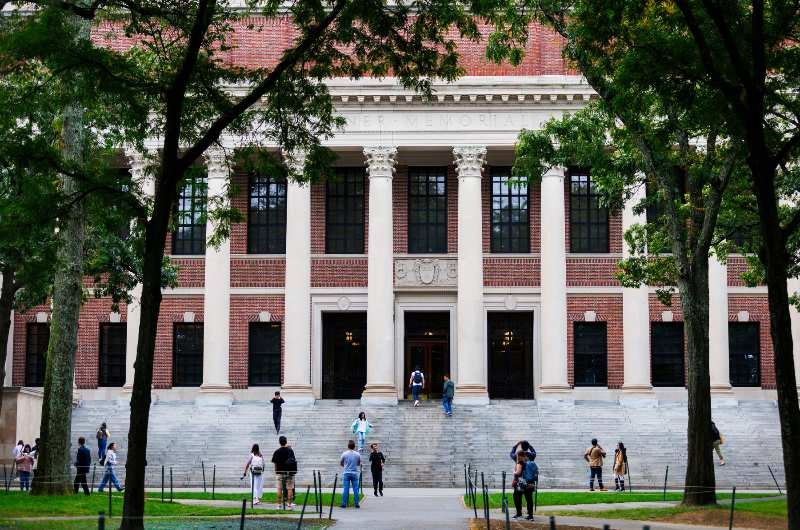
Harvard University is confronting the largest labor strike in its history as two unions representing approximately 6,500 teaching and research employees press for better compensation, benefits, and workplace protections. The overlapping walkouts in Cambridge, Massachusetts, have disrupted classrooms, laboratories, and campus events, placing additional pressure on the university as the fall semester approaches its final weeks.
The labor action expanded November 10 when approximately 2,500 non-tenure-track faculty members, researchers, and other academic employees represented by Harvard Academic Workers-United Auto Workers (HAW-UAW) joined graduate student workers who began striking October 27. The academic workers are seeking their first union contract after more than two years of negotiations, while graduate workers represented by the Harvard Graduate Students Union-United Auto Workers (HGSU-UAW) have been without a contract since 2025.
The unions are seeking higher wages, improved childcare and family benefits, and stronger protections against workplace harassment and discrimination. Graduate workers are also pressing for additional safeguards for international employees. The simultaneous strikes have affected classroom instruction, laboratory operations, and university events, including the postponement of Harvard Law School’s Ames Moot Court Competition and disruptions to lectures and other academic activities.
Harvard has proposed an initial 3.5% pay increase for academic workers, followed by annual raises of 3.25% over the next three years, along with a one-time bonus and additional benefits. Union representatives maintain that the offer does not adequately address compensation and other unresolved contract provisions. University officials say negotiations have produced substantial progress, including tentative agreements on 27 contract articles, and insist that remaining differences can be resolved through bargaining. Another negotiating session is scheduled for November 17.
The Readovia Lens
Harvard University’s historic labor dispute illustrates how heavily major research institutions depend on graduate students, lecturers, and other academic employees to sustain daily operations. The simultaneous walkouts have exposed disagreements over compensation, job security, and workplace protections at one of America’s wealthiest universities, while students experience disruptions to their education. With negotiations continuing and the semester nearing its conclusion, the dispute could influence how other universities approach labor agreements with the employees who support their teaching and research missions.