


The federal government is launching a new effort to sharply reduce disease-carrying mosquitoes and ticks, starting with an ambitious campaign in Washington, D.C., that could eventually become a model for communities across the country.
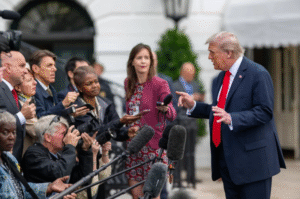
President Trump signed an executive order Tuesday directing federal agencies to develop and launch a campaign aimed at reducing invasive mosquito populations in D.C. by 90% and the tick population by 50% by 2028.
The plan goes beyond traditional pesticides. Federal agencies are being directed to improve landscaping and drainage to reduce breeding areas, use natural controls and explore newer technologies such as sterile insect techniques, beneficial bacteria and safe biotechnology. The Environmental Protection Agency has 60 days to develop a regulatory framework for some advanced mosquito and tick control technologies.
The health portion of the order targets several illnesses carried by ticks and mosquitoes, including Lyme disease, Rocky Mountain spotted fever, babesiosis, West Nile virus, Zika, chikungunya and dengue. The Department of Health and Human Services is also being directed to pursue research into faster diagnostics, prevention and treatments for these diseases.
The order also addresses alpha-gal syndrome, a potentially serious allergy associated with tick bites that can cause reactions to mammalian meat and other products. Federal health and agriculture officials have been directed to explore labeling options for food and drug products containing significant amounts of alpha-galactose, similar to other allergy warnings.
The Readovia Lens
Washington will essentially become a large-scale test of newer ways to fight mosquitoes and ticks without relying primarily on conventional pesticides. If the government can come close to its targets while protecting beneficial insects and the surrounding environment, the methods developed in D.C. could eventually be expanded to other parts of the country.