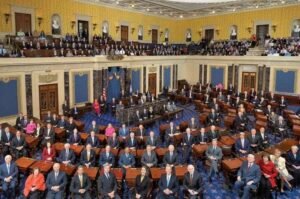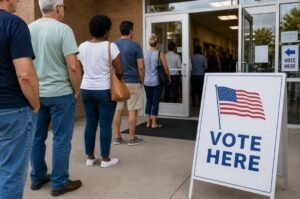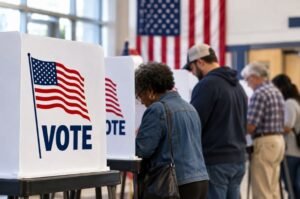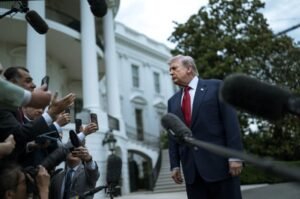


The November 3 midterm elections delivered a powerful message about the American economy: voters are tired of paying more for everyday necessities, and they expect Washington to do something about it. With Democrats preparing to take control of Congress and President Donald Trump remaining in the White House, both parties now face the challenge of turning political promises into meaningful financial relief.
The pressure comes as inflation continues to erode household purchasing power. Consumer prices are rising at an annual rate of 3.7%, leaving families to contend with expensive groceries, housing, healthcare and transportation. Although the latest employment figures show continued job growth, a stronger labor market offers limited comfort to households whose monthly expenses keep climbing.
Democrats have pledged to address affordability through measures targeting healthcare costs, tariffs and corporate pricing practices. Trump has indicated a willingness to work with the incoming congressional majority, but significant disagreements remain over federal spending, taxation and economic policy. With the president retaining veto authority, major legislative changes could require compromises neither party has demonstrated much enthusiasm for making.
There is another obstacle that campaign promises rarely acknowledge: slowing inflation does not necessarily mean prices will return to their previous levels. Even if the rate of inflation declines, households may continue paying substantially more than they did several years ago. Economists also warn that reducing federal deficits, addressing rising debt costs and protecting programs such as Social Security will require difficult decisions that could compete with demands for immediate relief.
The Readovia Lens
The real measure of economic progress will be found far from Capitol Hill. It will show up in whether families can afford a week’s groceries without sacrificing another expense, whether retirees can comfortably manage their monthly bills, and whether working Americans can begin saving again after covering their necessities. Those are the practical measures by which voters are likely to judge Washington’s next chapter.
The election may have changed who controls Congress, but it has not changed the financial pressures confronting millions of Americans. For the country’s political leaders, the challenge is now unmistakable: produce results that people can see in their household budgets, or risk discovering that voter frustration is just as capable of shifting power again.