

A panel of New York appeals judges closely examined the evidence and legal arguments behind President Donald Trump’s criminal conviction on Thursday, November 5, as his attorneys sought to overturn the 34 felony counts stemming from his 2024 Manhattan trial. The five-judge panel questioned both sides about the prosecution’s use of federal election law and whether certain evidence involving Trump’s first presidential administration should have been presented to the jury.
The appeal challenges Trump’s conviction for falsifying business records connected to a $130,000 payment made by his former attorney, Michael Cohen, to adult film actress Stormy Daniels before the 2016 presidential election. Prosecutors argued that the payment was intended to prevent potentially damaging information from reaching voters and that subsequent reimbursements to Cohen were improperly recorded as legal expenses. Trump’s attorneys maintain that the payments were legitimate and dispute the prosecution’s interpretation of the transactions.
One of the central disputes during Thursday’s hearing involved the relationship between federal campaign-finance law and New York’s business-records statute. Trump’s attorney, Robert Giuffra Jr., argued that state prosecutors improperly relied on federal election law to support the felony charges. Steven Wu, the Manhattan district attorney’s chief of appeals, countered that federal election law was relevant to establishing the alleged conspiracy that prosecutors said the falsified records were intended to conceal. The judges questioned how that legal theory supported the original conviction.
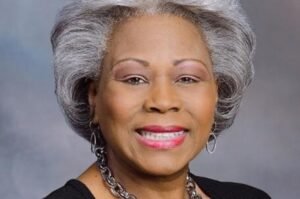
The panel also examined whether the jury should have heard testimony concerning conversations between Trump and former White House communications director Hope Hicks, along with other evidence involving his first presidential term. Trump’s legal team argued that some of the material concerned official presidential conduct protected by immunity. Prosecutors maintained that the disputed conversations involved private matters and that any improperly admitted evidence was insufficient to justify reversing the verdict. Justice Bahaati E. Pitt-Burke raised the question of whether multiple evidentiary errors, considered together, could undermine a conviction even if individual errors were deemed harmless.
The appeals court did not issue a ruling following Thursday’s arguments, leaving Trump’s conviction in place while the judges consider the competing claims. Trump, who did not attend the hearing, received an unconditional discharge in January 2025, meaning the conviction carried no additional punishment. His attorneys are also pursuing a separate federal appeal seeking to move the case out of state court, with arguments scheduled for November 16. The state appellate court’s eventual decision could determine whether the conviction stands or whether further proceedings are required.