

As businesses increasingly incorporate autonomous artificial intelligence (AI) agents into their operations, an Austin, Texas-based cybersecurity company is developing technology to keep those systems secure. Founded in 2022, HiddenLayer specializes in protecting AI models, applications and the infrastructure supporting them.
Led by co-founder and Chief Executive Officer Chris Sestito, HiddenLayer has attracted investment from some of the world’s most recognized companies. In September 2026, it secured $100 million in Series B funding led by Delta-v Capital, with participation from Morgan Stanley, Microsoft’s venture fund M12 and other investors. In an interview with TechCrunch, Sestito reported that the company’s annual recurring revenue had grown more than tenfold over the preceding year. Meanwhile, Gartner projects global spending on AI security technology will approach $4.78 billion in 2027.
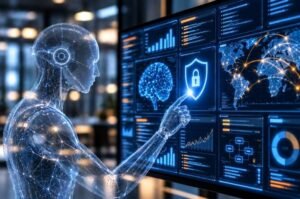
What makes HiddenLayer particularly relevant is its focus on agentic AI — intelligent systems capable of performing tasks, accessing information and making decisions with limited human intervention. As AI agents become more autonomous, cybersecurity must extend beyond protecting information to monitoring the actions these systems perform.
In March 2026, HiddenLayer introduced expanded security capabilities designed to monitor AI agents as they operate, identify suspicious behavior and prevent unauthorized actions. Its technology also addresses sensitive data exposure, malicious manipulation and vulnerabilities within AI models. These capabilities are designed to help enterprises maintain oversight as they integrate autonomous AI into their everyday operations.
The Readovia Lens
The rapid advancement of artificial intelligence is creating opportunities for an entirely new generation of cybersecurity companies. HiddenLayer’s emergence illustrates how innovation in AI security is becoming increasingly important to the technology’s broader adoption. As businesses entrust intelligent systems with greater responsibilities, the ability to operate those systems securely will be fundamental to building confidence in an AI-powered future.