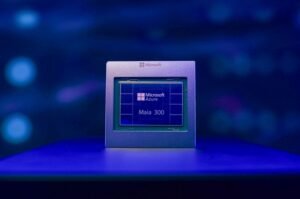


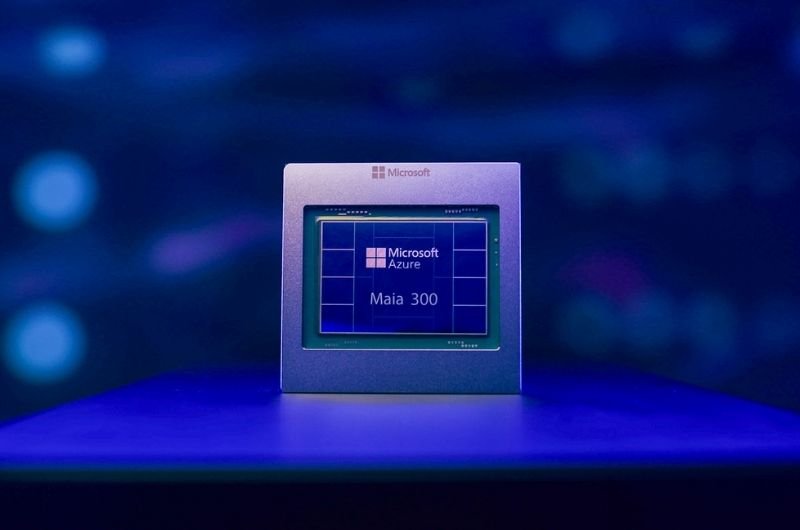
Microsoft unveiled its next-generation Maia 300 artificial intelligence chip Monday, announcing plans to expand the use of its own processors across its AI services beginning in 2027. The move marks a major step in the company’s effort to reduce computing costs and its reliance on outside chip suppliers, including Nvidia.
The Maia 300 is designed for AI inference, the process of running trained AI models to generate responses, complete tasks, and power applications. Microsoft says its new system is expected to deliver 40% more AI output per megawatt than leading graphics processor-based systems, potentially allowing the company to handle more requests without a comparable increase in electricity consumption.
Microsoft plans to scale its Azure Maia chip family to deployments requiring multiple gigawatts of power starting next year, making its custom processors the primary infrastructure for running AI models across its products and services. The company already uses its earlier Maia 200 processors for production workloads, including Microsoft Copilot, and expects to expand their use to additional services.
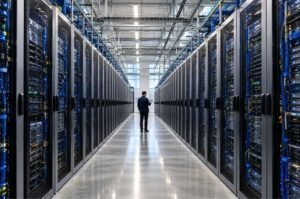
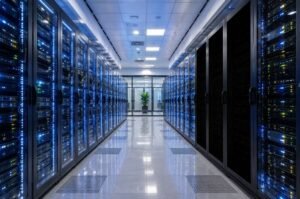
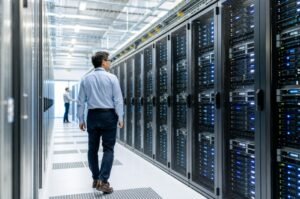
The new chip uses an advanced design that separates computing functions from memory and data-management components. Microsoft says a full Maia 300 server rack will contain 96 accelerators and deliver up to seven times the AI processing throughput of its previous-generation Maia 200 system. Those performance figures are company estimates and comparisons, with broader real-world results still to be demonstrated as deployment expands.
The Readovia Lens
Microsoft’s Maia 300 announcement underscores a growing shift among major technology companies toward developing specialized processors for their own AI operations. Nvidia remains a dominant supplier of AI computing hardware, but Microsoft’s investment in custom chips could give it greater control over costs, energy efficiency, and future capacity. As demand for AI assistants and increasingly complex automated systems grows, the competition is expanding beyond the AI models themselves to the infrastructure required to run them.