A federal appeals court has temporarily blocked Minnesota from enforcing a first-of-its-kind law targeting artificial intelligence tools that can create fake nude or sexually explicit images of real people.
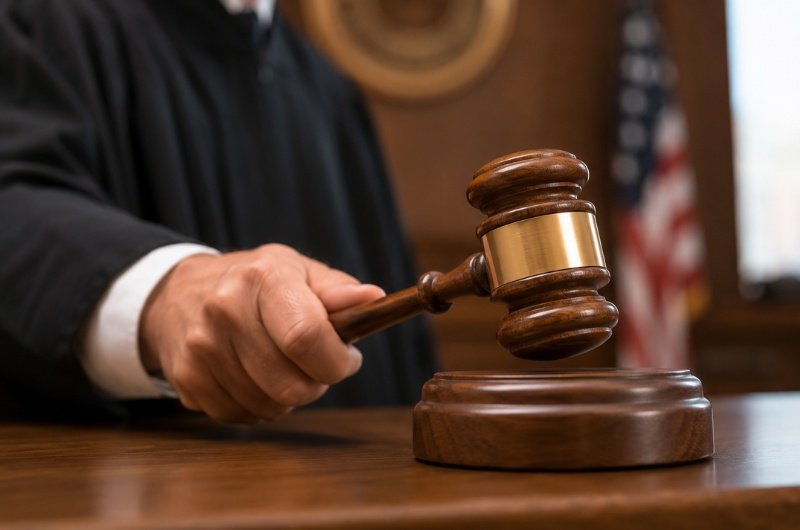
The 8th U.S. Circuit Court of Appeals granted an injunction requested by xAI, the company behind Grok, while the company continues its legal challenge. The court issued a brief order and did not explain its reasoning.
Minnesota’s law took effect Aug. 1 and prohibits companies from allowing their websites, apps or other services to be used to create realistic fake images showing intimate body parts that were not present in the original image. Violations can carry civil penalties of up to $500,000, and people depicted in the images can also seek damages.
xAI argues the law violates the First Amendment by restricting protected speech. Minnesota officials contend the restrictions are necessary to combat harmful AI-generated sexual imagery, including images created without a person’s consent. A federal district judge previously declined to block the law before xAI appealed.
The appeals court’s action does not decide whether Minnesota’s law is constitutional. It instead prevents the state from enforcing the restrictions while xAI’s appeal moves forward, setting up a closely watched legal fight over how far states can go in regulating what generative AI systems allow users to create.
The Readovia Lens
Minnesota’s case could reach far beyond one state or one AI company. As lawmakers try to restrict increasingly realistic AI-generated sexual images, courts will have to determine where protections against digital abuse end and constitutional protections for speech begin.