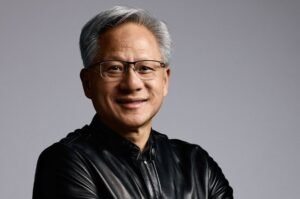


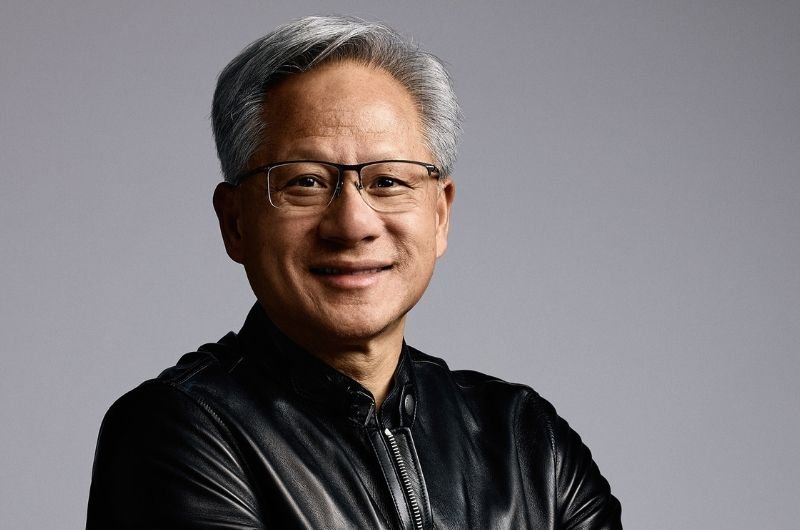
Nvidia, the American chipmaker at the center of the global artificial intelligence boom, has launched an independent investigation into allegations that its chief executive, Jensen Huang, was targeted by a foreign intelligence operation. The inquiry places one of the technology industry’s most influential leaders at the center of a national-security controversy as competition between the United States and China over advanced AI technology intensifies.
The company’s board announced the investigation on November 8 following reports that Huang had maintained a personal relationship with a Chinese business executive whom U.S. intelligence officials reportedly identified as an intelligence asset. Nvidia said a committee of independent directors, working with outside legal counsel, will examine the allegations. The board emphasized that it currently has no reason to believe company secrets or U.S. national security were compromised.
The investigation comes at a particularly sensitive moment for the semiconductor industry. Nvidia’s advanced processors power many of the world’s leading AI systems, making access to its technology a strategic priority for governments and businesses. Washington has imposed export restrictions on certain high-performance chips to limit China’s access to technology that could strengthen its military and intelligence capabilities. The allegations surrounding Huang illustrate how the competition for AI leadership may extend beyond technological innovation into efforts to gain access to influential corporate decision-makers.
The controversy has also attracted attention on Capitol Hill. Republican congressional leaders have requested a private briefing from Huang concerning the allegations and Nvidia’s safeguards against foreign intelligence activity. Huang has acknowledged personal misconduct and apologized to his family and colleagues, while pledging to cooperate with the company’s investigation. China has rejected the espionage allegations, describing them as unfounded.
The Readovia Lens
America’s most valuable AI technology cannot be protected by cybersecurity systems and export restrictions alone. The executives who control that technology also represent potential points of vulnerability, particularly as international competition for artificial intelligence intensifies. Personal relationships, international business dealings and access to senior leadership can introduce security risks that traditional technological safeguards may not fully address.
Nvidia’s investigation has not established that sensitive information was disclosed or that Huang knowingly participated in an intelligence operation. Its findings, however, could influence how America’s leading AI companies evaluate executive security and foreign business relationships. In an industry where technological leadership carries enormous strategic value, protecting the people who make critical decisions may become just as important as protecting the technology they create.