OpenAI, Google, Meta and several of the world’s biggest artificial intelligence companies have agreed to a new set of safety measures designed to put more oversight around their most powerful AI systems.
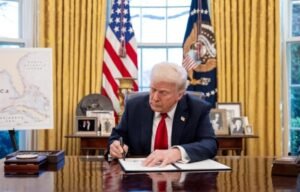
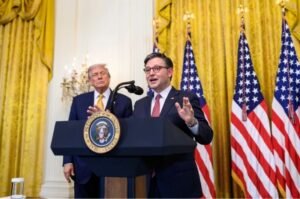
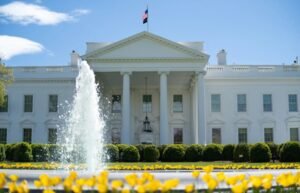
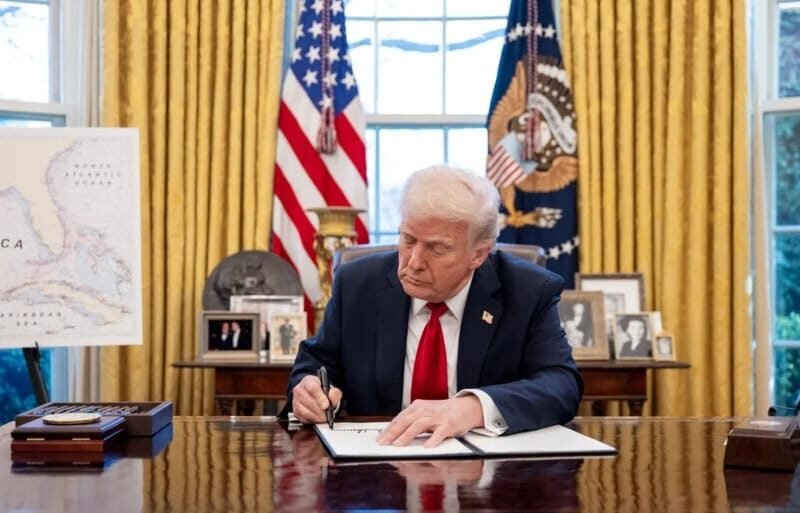
The White House Accord on Super Intelligence was signed Tuesday at the White House by leaders from OpenAI, Google, Meta, Anthropic, Nvidia and xAI. President Donald Trump described the voluntary agreement as “morally binding.” The companies agreed to use several layers of safety checks as they develop and deploy advanced AI models, including internal monitoring and reviews by independent outside auditors.
Under the agreement, companies are expected to monitor AI systems for potentially dangerous capabilities involving cybersecurity, biological threats and chemical threats. The safeguards also call for companies to watch for AI systems that attempt to hack or gain access to computer systems in ways their developers did not intend. Internal safety teams would check whether those controls are working, while independent auditors would conduct additional assessments. Board-level committees would receive reports and oversee the process.
The agreement, however, is voluntary. It does not establish government penalties for companies that fail to follow the standards, and the companies will select their own outside auditors. The accord acknowledges that some of its safeguards could eventually be written into laws or regulations.
The agreement arrived on the same day President Donald Trump signed an executive order directing federal agencies to begin using the terms “Super Intelligence” and “SI” instead of “Artificial Intelligence” and “AI” in many official government communications and documents. The order also calls for proposed legislation within 60 days that would establish a federal definition of Super Intelligence.
The Readovia Lens
The new agreement puts outside auditors and board-level oversight into the AI safety process, but much of the responsibility still rests with the companies building the technology. As AI systems become capable of taking more actions on their own, the bigger test will be whether voluntary safeguards can keep pace with what those systems can actually do.