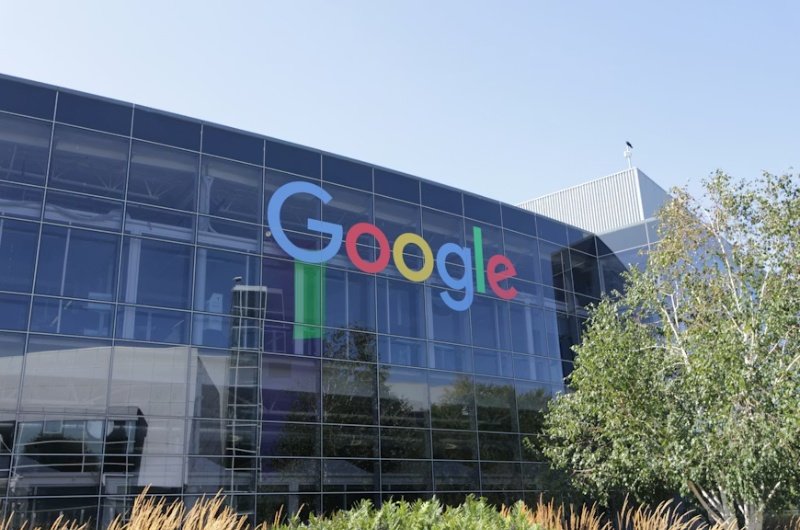
Google has reportedly signed a classified artificial intelligence agreement with the Pentagon that would allow the U.S. military to use the company’s AI models in secure government environments, marking a major expansion of AI into national defense operations.
Reports indicate the agreement includes restrictions on uses such as domestic mass surveillance and fully autonomous weapons without human oversight. Even so, critics argue those guardrails may be difficult to measure once systems operate inside classified networks. That tension highlights a larger reality: AI governance is now being tested in real national-security environments, not just in public debate.
For Google, the deal represents both opportunity and risk. Defense contracts can bring long-term revenue and strategic influence, but they also reopen ethical questions that many tech companies once tried to avoid. For Washington, it reflects a growing belief that future military strength may depend as much on software and intelligence systems as traditional weapons.
The next chapter of artificial intelligence may be driven less by consumer buzz and more by institutional adoption behind closed doors. As governments, militaries, and major enterprises choose their AI partners, influence could shift toward the companies trusted to power critical systems.