
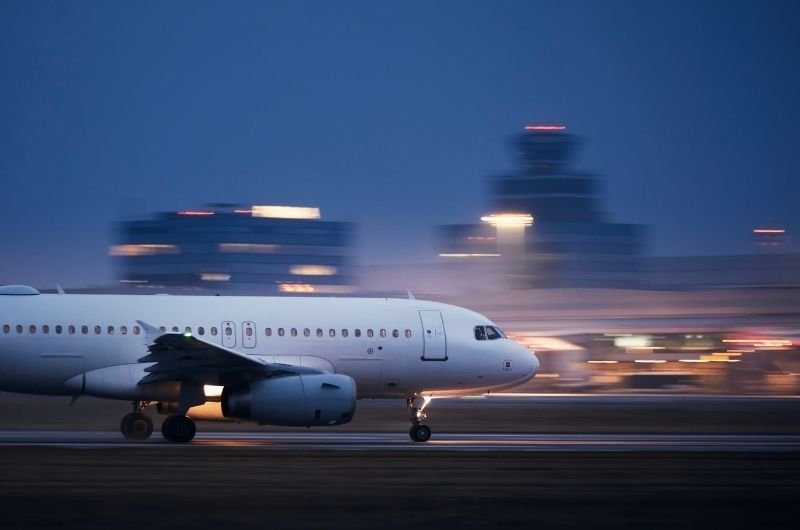
Federal investigators are examining why an Amazon cargo jet overran a runway at Miami International Airport on Sunday, September 6, striking two vehicles and killing five people on the ground. Five others were injured, including three who were reported in critical condition, as investigators work to determine whether the aircraft touched down too late to stop safely.
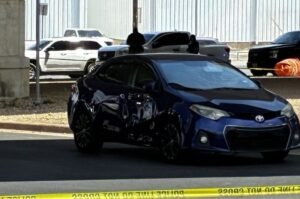
The Boeing 767-300 freighter, operated by 21 Air for Amazon Air, was arriving from San Juan, Puerto Rico, as Flight 7598 when it overran Runway 30 shortly before 2 p.m. The aircraft struck navigational equipment and a cleaning contractor’s van carrying seven people, then broke through the airport perimeter fence and hit an SUV on a nearby road. It traveled approximately 1,300 feet beyond the paved runway before coming to a stop and catching fire. Both pilots survived.
National Transportation Safety Board Chairwoman Jennifer Homendy said Monday that the five people killed were occupants of the two vehicles. Investigators have recovered the flight data recorder and cockpit voice recorder and are sending them to Washington for analysis. The agency has deployed a 32-person team to examine aircraft performance, weather, mechanical systems, air traffic control, and the crew’s actions during the landing.
A central focus is whether the plane landed too far down the runway and whether the pilots had sufficient distance to stop. Investigators will also examine the airport’s runway safety area and the absence of an Engineered Materials Arresting System, a crushable material designed to slow aircraft that overrun a runway. Miami International Airport meets federal safety requirements, and the NTSB has not determined whether an arresting system would have changed the outcome.
The Readovia Lens
The Miami crash highlights the risks that runway overruns can pose beyond an aircraft’s occupants, particularly when airport service vehicles and public roads are located near runway ends. The investigation will need to establish the aircraft’s speed, touchdown point, braking performance, and other contributing factors before determining a probable cause. Amazon and 21 Air have pledged cooperation, while the NTSB continues collecting evidence and interviewing witnesses.
——————–
Related:
FAA Expands Runway Safety Technology to 100 U.S. Airports