
Federal officials have confirmed the first New World screwworm infection in a horse in the United States, marking another troubling expansion of a livestock threat that the country eradicated more than half a century ago.
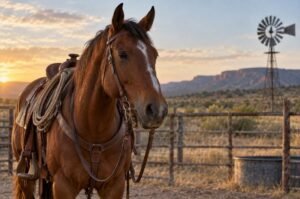
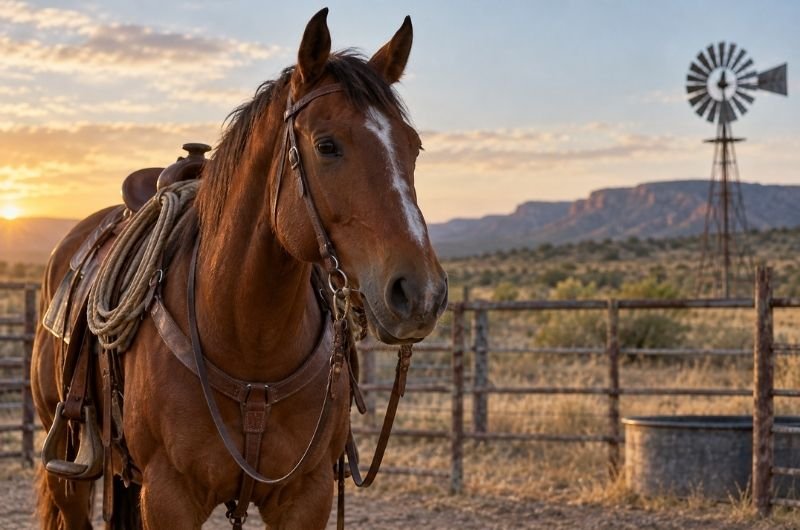
The infection was confirmed in Presidio County, Texas, near the U.S.-Mexico border. The parasite was found in the hind leg of a working ranch horse, according to the U.S. Equestrian Federation. The U.S. Department of Agriculture has not said how the horse became infected.
New World screwworm is caused by fly larvae that infest open wounds and feed on living tissue, potentially causing severe injury or death if an infected animal is not treated. The parasite was eradicated from the United States in the 1960s following a massive federal campaign, but cases have moved northward through Central America and Mexico and have now reappeared in U.S. livestock.
Texas has expanded efforts to contain the threat. The Texas Animal Health Commission says New World screwworm infested zones now cover portions of 16 counties, where warm-blooded animals cannot be moved out of designated areas without prior authorization. Officials are also urging horse owners and livestock producers to inspect animals regularly, treat wounds and strengthen fly-control and biosecurity measures.
The economic stakes could be substantial if the parasite spreads. Texas is the nation’s largest cattle-producing state, and experts have estimated that a widespread outbreak could cause as much as $1.8 billion in economic damage. Federal officials have also been working to combat the parasite through surveillance and the release of sterile male flies, which mate with wild females but produce no offspring.
The Readovia Lens
The infection of a working ranch horse widens the concern beyond cattle and shows why officials are moving aggressively to contain New World screwworm. A parasite eliminated from the United States decades ago has returned to the nation’s largest livestock-producing state, making the effectiveness of containment efforts increasingly important to ranchers, the food supply and the broader agricultural economy.