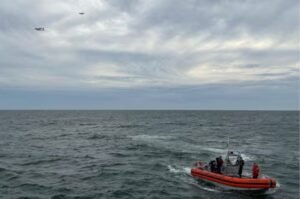
U.S. forces struck two Iranian rocket launchers on Larak Island in the Strait of Hormuz on Sunday, triggering retaliatory Iranian missile attacks against U.S. military sites in Jordan and ending a month-long lull in direct fighting between the two countries.
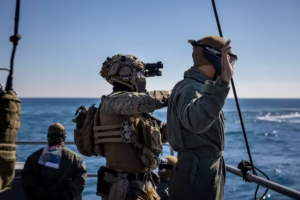
U.S. Central Command said Iranian Revolutionary Guard forces were preparing rockets designed to deploy sea mines into the Strait of Hormuz when American forces attacked. CENTCOM described the operation as a limited strike against an imminent threat to commercial shipping, coming just days after U.S. forces said they had finished clearing mines from international shipping routes through the strait.
Iran responded by launching ballistic missiles toward U.S. military facilities in Jordan. Jordan’s armed forces said its air defenses intercepted eight missiles that entered the country’s airspace, destroying them before they could threaten civilians or property. Iran claimed it targeted the King Hussein and Al Azraq air bases, while U.S. officials said there were no reports of significant damage or casualties from the missile attack.
The confrontation spread beyond Jordan as the United Arab Emirates said it intercepted an Iranian drone approaching through its territorial waters. Iran also claimed it shot down a U.S. MQ-9 Reaper drone over the Strait of Hormuz, although that claim had not been independently confirmed Monday morning.
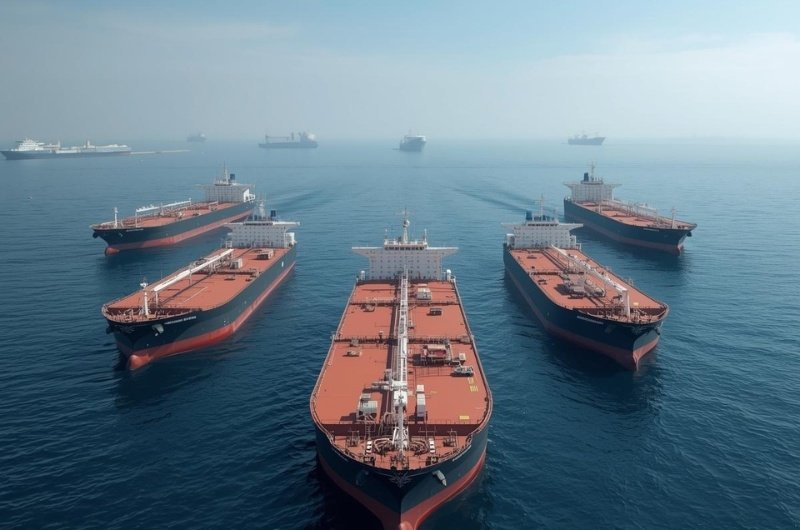
The renewed fighting puts fresh attention on the Strait of Hormuz, one of the world’s most important energy corridors. Before the conflict disrupted shipping, roughly one-fifth of global oil supplies moved through the narrow waterway. Oil prices rose Monday following the exchange of attacks, underscoring how quickly military action around the strait can spill into global energy markets.
Iranian President Masoud Pezeshkian said Monday that Tehran is not seeking a wider war but would respond to further attacks. The latest exchange nevertheless marks the first direct U.S.–Iran military confrontation since late July and comes just as Washington had been attempting to shift pressure on Tehran away from airstrikes and toward economic measures.
——————–
Related:
Iran, US and Saudi Arabia Trade Strikes as the Strait of Hormuz Chokes Again
Trump Reinstates Blockade of Iranian Ports, Imposes 20% Strait of Hormuz Security Fee