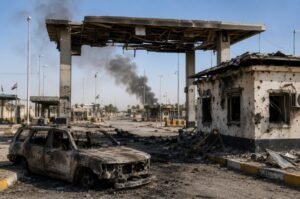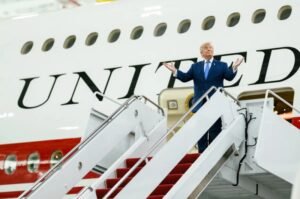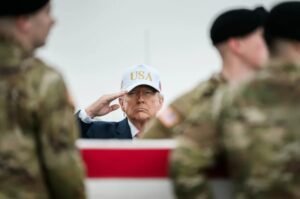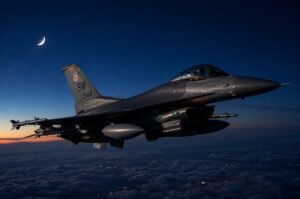
The United States is on track to withdraw its remaining military forces from Iraq by September 30, bringing to a close a U.S. military presence that began with the 2003 invasion and evolved through more than two decades of war, counterterrorism operations, and security assistance.
U.S. and Iraqi officials have confirmed that the withdrawal remains on schedule. Iraqi Prime Minister Ali al-Zaidi reaffirmed the September 30 deadline this week following talks with U.S. Central Command chief Adm. Brad Cooper, calling the date final for ending the U.S.-led coalition’s military mission in Iraq.
The departure represents the final stage of a drawdown that has been underway for years. American combat forces formally left Iraq in 2011, but U.S. troops returned in 2014 after the rise of ISIS. In recent years, the American mission has focused largely on advising and assisting Iraqi security forces and supporting operations against the militant group. Most U.S. forces have already departed, with the remaining presence concentrated primarily in Iraq’s northern Kurdish region.
The withdrawal comes at a particularly volatile moment in the Middle East. U.S. facilities and forces in Iraq have repeatedly faced threats from Iran-backed armed groups, and regional tensions have intensified during the conflict involving the United States, Israel and Iran. Iraq is also confronting the politically difficult task of bringing armed groups operating outside direct government control under state authority.
The Readovia Lens
For Washington and Baghdad, September 30 will mark more than another troop reduction. It will close one of the longest chapters in modern U.S. military history while shifting the relationship between the two countries toward bilateral security cooperation without a permanent American military presence in Iraq.