President Trump has confirmed that security concerns prompted an extraordinary operation last month in which he secretly switched aircraft while leaving Turkey, even as journalists and some White House staff believed he was traveling aboard Air Force One.
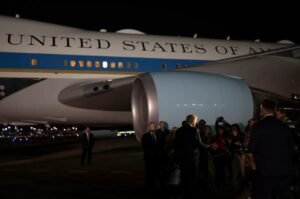
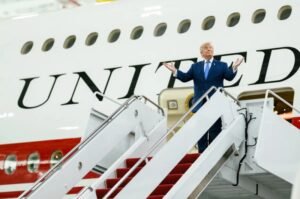
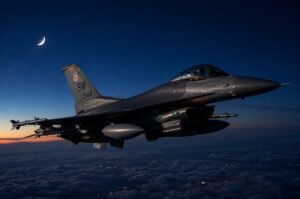
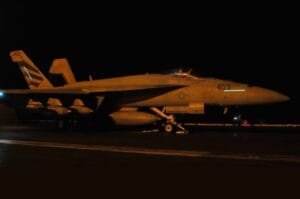
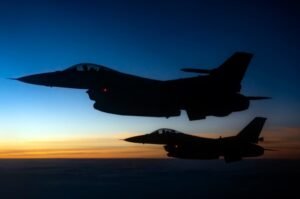
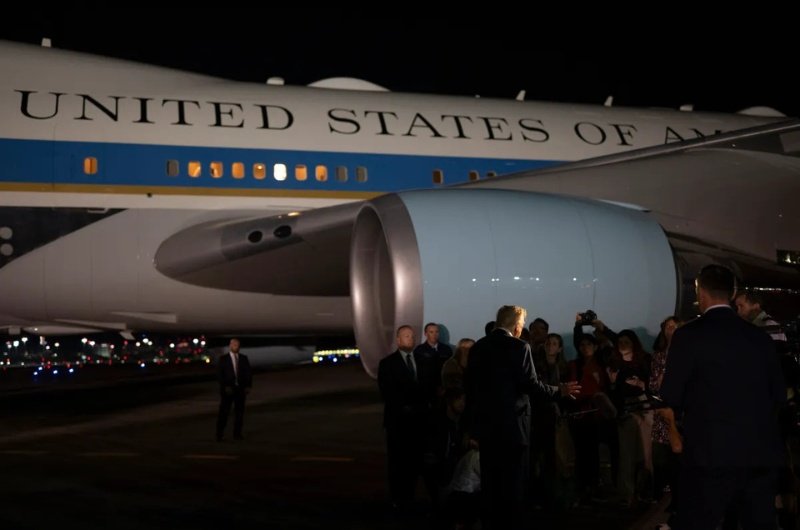
The maneuver took place July 8 following a NATO summit in Ankara. Trump was seen boarding Air Force One at Ankara Esenboğa Airport, but he was later moved from the aircraft in an airport catering vehicle and taken to a smaller Air Force C-32A military jet. Air Force One then departed with members of the press and White House staff aboard, effectively serving as a decoy while the president traveled separately.
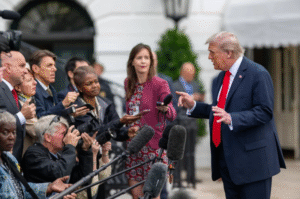
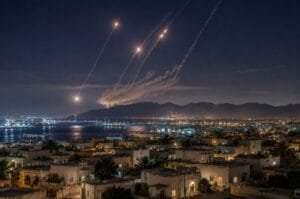
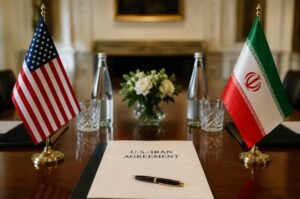
Trump addressed the operation publicly Tuesday, saying the military and Secret Service wanted him to take a different flight because of a security threat. Reports have linked the heightened security to concerns about a possible Iranian threat against the president following U.S. military action against Iran. Trump said threats are an expected part of the presidency and indicated he followed the recommendations of his security team.
The unusual operation also meant that people aboard Air Force One were not told the president had been moved to another aircraft. Trump flew separately to the United Kingdom, where he later transferred to the newer presidential aircraft for the trip back to Washington. The administration had not publicly disclosed the decoy operation at the time.
Asked why Air Force One was considered too dangerous for him while staff and journalists remained aboard, Trump said he believed the smaller aircraft he used may actually have faced greater risk. The episode offers a rare glimpse into the security measures surrounding presidential travel — and the lengths U.S. officials were prepared to take when they believed a potential threat could target the president’s aircraft.
The Readovia Lens
Presidential travel has always balanced visibility with vulnerability, and this episode shows how far that balance can bend when intelligence points to a credible threat. Decoy operations aren’t new — Clinton’s 2000 flight into Pakistan and the post-9/11 relocation of George W. Bush both drew on the same instinct to separate the president from predictable movement. What sets the Ankara operation apart is the scale of secrecy involved: even the people flying beside the commander in chief didn’t know he wasn’t there. As reporting continues to fill in the details, the episode leaves a lasting reminder that the machinery protecting a president often stays invisible until circumstances force it into daylight.