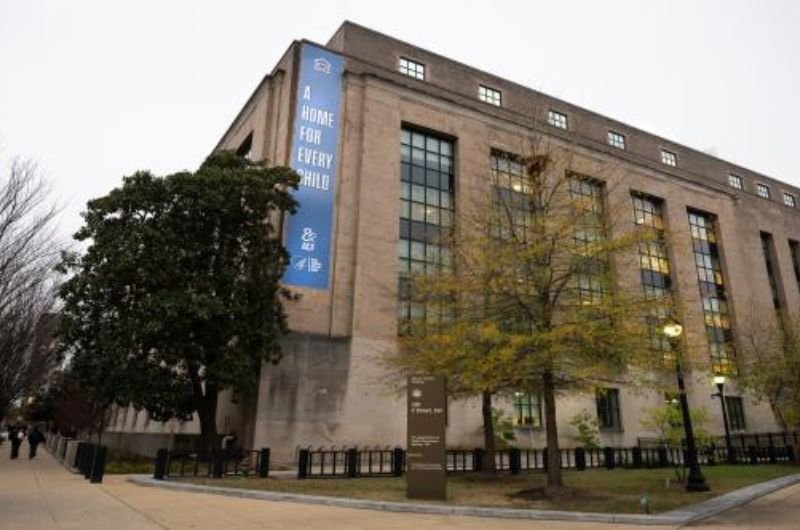
The Office of Refugee Resettlement (ORR), the federal agency responsible for caring for unaccompanied migrant children, has passed more than 460,000 pieces of information to immigration enforcement since the start of 2025 — data that has been linked to over 12,000 arrests, according to an internal-records review published this week.
How the Data Moves
ORR sits inside the Department of Health and Human Services and exists to care for unaccompanied minors until a vetted sponsor, usually a parent or relative, can take custody. The shared information includes details on the children themselves, the relatives seeking to claim them, and other adults living in those households. Those records aren’t all tied to distinct arrests — they represent leads and entries that ICE has used to pursue enforcement action, with more than 12,000 arrests traced back to the referrals so far.
Two Accounts of Why
ORR has said it plays no role in apprehending children and directs enforcement questions to the Department of Homeland Security (DHS). DHS, in turn, says the leads are meant to locate children placed with sponsors who were never properly vetted, including some it says have criminal histories — citing roughly a dozen cases involving offenses ranging from fraud to homicide to child pornography possession.
Critics describe a different picture. Jen Smyers, who served as ORR’s deputy director during the Biden administration, said the safeguards that once walled sponsor data off from ICE have been completely reversed, calling it the use of a child welfare program for deportation purposes.
A Legal Wall Built, Then Eroded
A 2008 law was designed to keep unaccompanied children in the least restrictive setting possible and release them quickly, regardless of a sponsor’s immigration status — a protection meant to let families reunite without sponsors fearing their screening information would end up with ICE. That wall first eroded during Trump’s first administration, when ORR began sharing identifying information on children and potential sponsors with ICE, leading to roughly 300 arrests before Congress limited the practice and the Biden administration ended it outright.
The Human Toll
One mother and her six-year-old daughter were detained by ICE and sent to a family detention center in Texas after she came forward as a sponsor. Attorneys representing similarly affected families describe a recurring pattern of relatives being picked up shortly after coming forward.
The Readovia Lens
The ORR program exists to reunite children with family. Whether the same data can also serve immigration enforcement without undermining that original purpose is the question now sitting between two federal agencies — and the families caught in between.