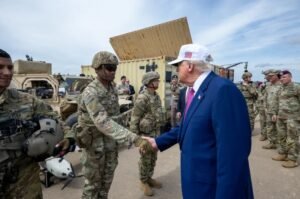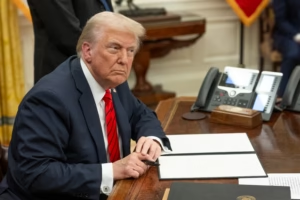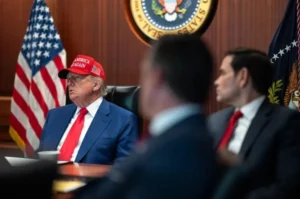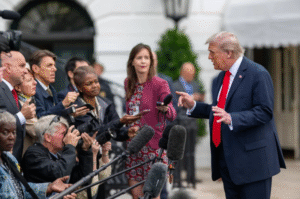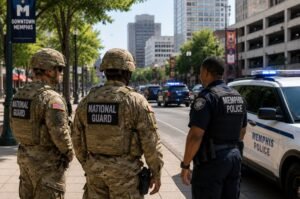


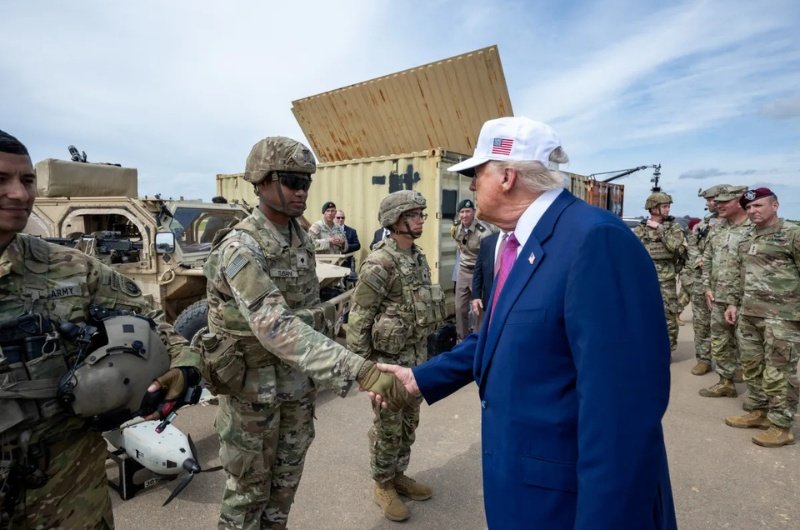
A year ago, President Trump declared a crime emergency in Washington, D.C., and sent in the National Guard, promising to make the city “safe and beautiful.” What was originally framed as a short-term response has since grown into a long-term presence, with the deployment now extended through January 2029.
The Numbers Behind the Mission
As of early August, more than 4,600 troops from D.C. and 24 states and territories remained stationed in the city, alongside federal law enforcement officers whose numbers haven’t been publicly disclosed. Extending the deployment through 2029 is expected to cost around $1.4 billion, according to a Department of Defense estimate. The U.S. attorney’s office for D.C. credits the effort with more than 13,000 arrests, and city police data show overall crime down 20% and homicides down 32% compared with the same period last year. Crime in D.C. was already declining before the surge began, which has fueled disagreement over how much of the drop belongs to the federal deployment versus years of local crime-reduction work.
A City Divided on the Guard’s Presence
The White House has defended the mission as a success, with spokeswoman Abigail Jackson saying it transformed the city into a safer place for residents and visitors. Critics see it differently. Scott Michelman, legal director of the ACLU of D.C., called the ongoing presence of troops in the capital without a clear emergency an overreach of federal power. D.C. council member Brianne Nadeau said watching the Guard remain a fixture on city streets a year later, with no clear end date, has been discouraging for residents who feel they have little power to push back.
Limited Local Power, High Political Stakes
Because Washington is a federal district rather than a state, Congress holds significant oversight over its budget and laws, and the president has direct control over the D.C. National Guard. That structure gave Trump far more authority to act than he’d have in most other cities. The issue has become a defining one in local politics. Democratic primary winners this year, including likely next mayor Janeese Lewis George and congressional candidate Robert White Jr., have made D.C. autonomy and statehood central to their campaigns. Trump has already said he would consider a full federal takeover if George becomes mayor.
The Readovia Lens
This story sits at the intersection of public safety and self-governance, and the numbers alone don’t settle the underlying dispute. Both sides can point to falling crime rates as proof they’re right, which means the real fight ahead is less about statistics and more about who gets to decide how Washington is governed.