

The United States and Iran have entered a new phase of diplomacy following last week’s interim peace agreement, with negotiators launching technical discussions aimed at turning broad commitments into a more detailed and lasting framework.
Officials involved in the talks described the latest round of negotiations as encouraging, saying both sides have agreed to continue working toward a roadmap for a broader agreement while addressing key implementation issues. Mediators also indicated that technical teams will remain engaged as discussions continue in the coming days.
The latest developments follow an interim accord announced after months of heightened tensions in the Middle East. While the agreement marked a significant diplomatic breakthrough, many of the most complex issues—including long-term security arrangements and other outstanding policy matters—remain under negotiation.
According to reports, the parties have established a framework for continued talks and are pursuing a timetable intended to advance discussions over the weeks ahead. The negotiations are also expected to include mechanisms designed to reduce the risk of renewed regional instability and support the safe movement of commercial shipping through the strategically important Strait of Hormuz.
Financial markets have responded positively to signs of diplomatic progress. Oil prices eased as concerns over potential supply disruptions diminished, reflecting investor optimism that continued negotiations could reduce geopolitical risks in one of the world’s most important energy corridors.
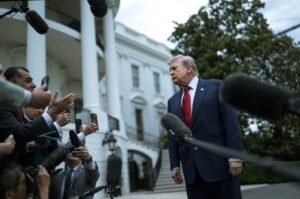
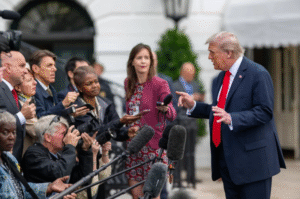
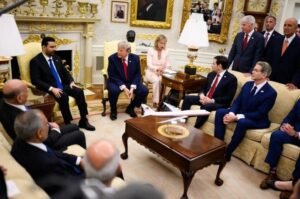
The White House has characterized the agreement as a major foreign policy achievement, while international observers have emphasized that the success of the initiative will ultimately depend on sustained cooperation and the ability of both sides to translate preliminary commitments into a durable long-term settlement.
For now, the focus has shifted from announcing the agreement to implementing it. As technical talks move forward, diplomats will be working to resolve remaining differences and determine whether the current momentum can produce a more comprehensive and lasting peace.