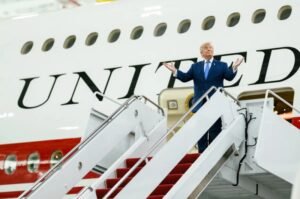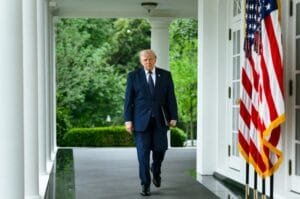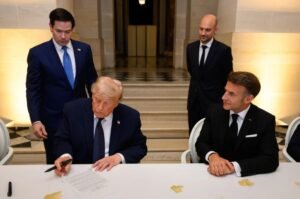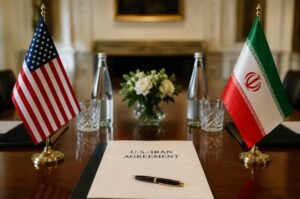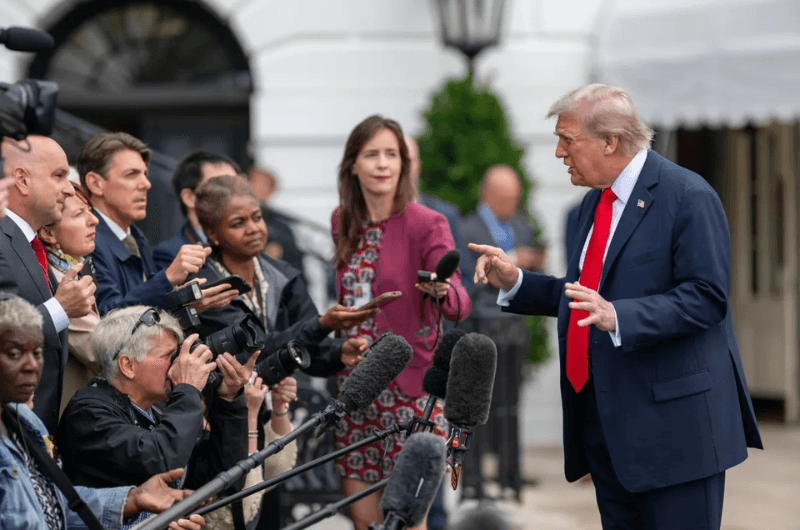
President Donald Trump announced Sunday that the United States and Iran have reached a peace agreement that could bring an end to months of conflict and reopen one of the world’s most important energy shipping routes.
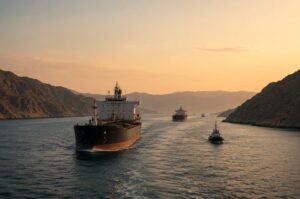
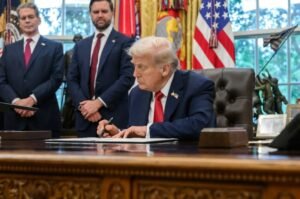
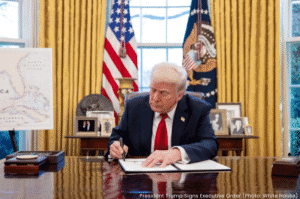
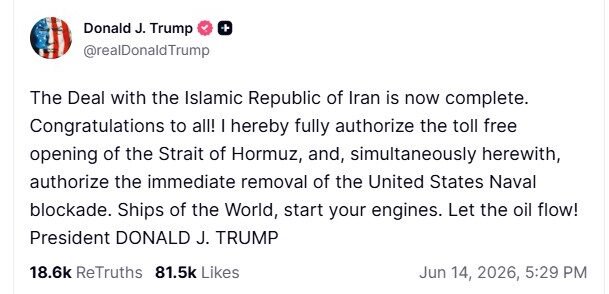
In a statement posted on Truth Social, Trump declared that “the deal with the Islamic Republic of Iran is now complete” and authorized the reopening of the Strait of Hormuz while directing the removal of the U.S. naval blockade in the region.
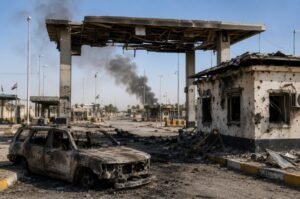
The announcement marks a potentially historic diplomatic breakthrough after months of heightened tensions that disrupted global energy markets, threatened international shipping, and raised concerns about a broader conflict in the Middle East.
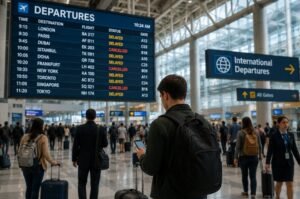
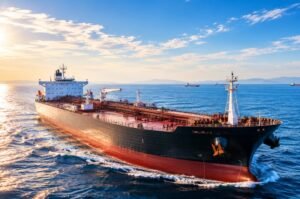
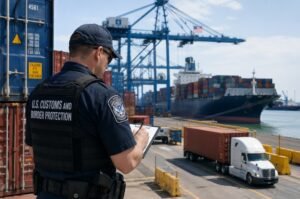
The Strait of Hormuz serves as one of the world’s most critical energy corridors, carrying a significant share of global oil shipments between the Persian Gulf and international markets. Its reopening is expected to ease pressure on global energy supplies, shipping routes, and energy prices worldwide.
Financial markets responded positively to the news, with investors viewing the agreement as a step toward greater stability in a region that plays a central role in the global energy economy.
While the full details of the agreement have not yet been released publicly, reports indicate that additional negotiations involving long-term security arrangements, sanctions, and other issues are expected to continue in the coming weeks.
If fully implemented, the agreement could represent one of the most significant diplomatic developments in the Middle East in decades. The deal also has the potential to reduce tensions that have periodically threatened international trade, energy supplies, and regional stability.
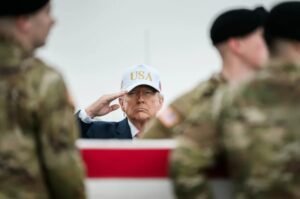
For now, the announcement signals a dramatic shift in relations between Washington and Tehran and could become one of the defining foreign policy achievements of President Trump’s second term.
Trump shared the news directly with the public in a Truth Social post, writing:
The Readovia Lens
If the agreement holds, its impact could extend far beyond the United States and Iran. The reopening of the Strait of Hormuz would help restore confidence in one of the world’s most important energy corridors, potentially easing pressure on global oil markets and reducing the risk of supply disruptions. Greater stability in the Middle East could also benefit international trade, shipping, and economic growth at a time when many countries continue to navigate inflation concerns and geopolitical uncertainty.
Investors will be watching closely. Markets generally respond favorably to signs of reduced global conflict, particularly when energy supplies are involved. While many questions remain about the long-term details of the agreement, a lasting peace deal could remove a major source of uncertainty from the global economy and provide a welcome boost to business confidence worldwide.