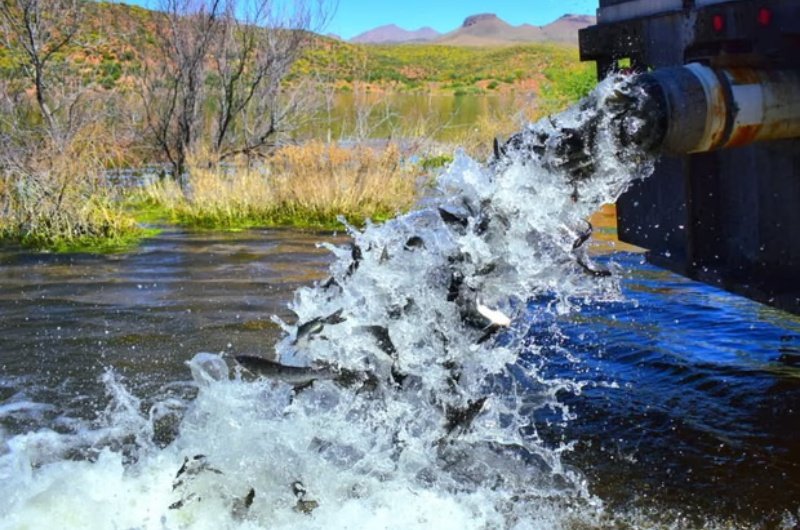
One of Arizona’s best-known fishing destinations has been closed indefinitely after officials reported the near-total loss of fish in the lake, a stunning environmental event that has drawn attention to ongoing water challenges across the American West.
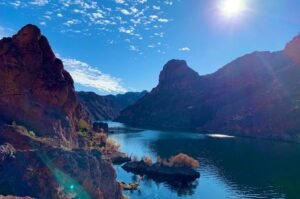
San Carlos Lake, located on the San Carlos Apache Reservation in eastern Arizona, was shut down after authorities determined that virtually all fish in the reservoir had died. Officials cited a combination of drought conditions, declining water levels, and water management decisions that dramatically altered conditions within the lake.
According to local officials, the fish kill was so extensive that visitors began reporting large numbers of dead fish washing ashore. As decomposition accelerated, concerns grew about water quality, odors, and potential health risks, prompting the lake’s closure to recreational activities.
The lake has long been known as a popular destination for anglers and outdoor enthusiasts, attracting visitors from across Arizona and neighboring states. The closure represents a significant blow not only to local recreation but also to the ecosystem that depended on the reservoir.
Environmental experts note that fish populations can become especially vulnerable when water levels fall and temperatures rise. Reduced water volumes can lead to lower oxygen levels, making it difficult for fish and other aquatic life to survive. Prolonged drought conditions can further stress ecosystems already struggling to adapt to changing environmental conditions.
While San Carlos Lake has experienced fluctuations in water levels throughout its history, officials say the latest event is among the most severe environmental setbacks the reservoir has faced in recent years.
Communities throughout the region continue grappling with persistent drought conditions, increasing demand for water, and the complex challenges of managing reservoirs, rivers, and other critical resources. As water supplies fluctuate, ecosystems that depend on stable conditions often become vulnerable to sudden disruptions.
Lakes, rivers, and reservoirs serve many purposes beyond recreation. They provide habitat for wildlife, support local economies, and play an important role in maintaining environmental balance. When those systems are placed under stress, the impacts can extend far beyond a single location.
Scientists and resource managers have increasingly warned that prolonged drought and extreme weather patterns may create additional challenges for aquatic ecosystems in the years ahead.
For now, the empty waters of San Carlos Lake stand as a stark illustration of how quickly environmental stress can reshape an ecosystem that once supported thriving recreational and wildlife activity.