

For years, SpaceX was one of the world’s most valuable private companies. On Friday, that changed as the aerospace and communications giant began trading on Nasdaq under the ticker symbol SPCX after completing the largest initial public offering in market history.
The IPO priced at $135 per share, raised approximately $75 billion, and valued the company at roughly $1.77 trillion, instantly placing it among the most valuable publicly traded companies in the United States.
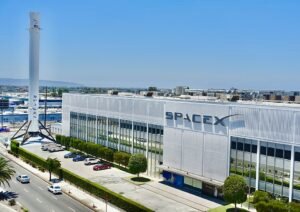
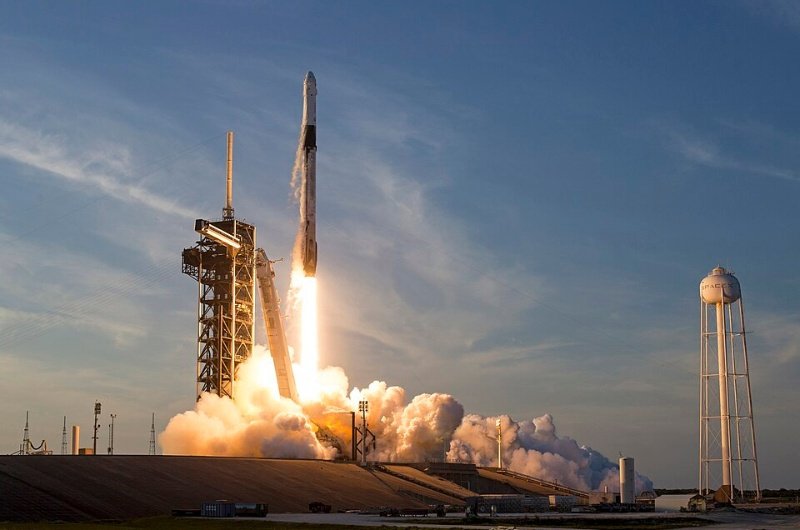
Founded by Elon Musk in 2002, SpaceX transformed the commercial space industry through reusable rockets and a growing portfolio of launch services. Over the past two decades, the company has become synonymous with innovation, helping reshape how governments, businesses, and consumers think about access to space.
Investor interest in the offering was exceptionally strong, reflecting enthusiasm for a company that now sits at the intersection of space, communications, artificial intelligence, and global connectivity.
Many Americans still think of SpaceX primarily as a rocket company. While reusable rockets remain at the heart of its business, the company has steadily expanded into several other industries over the past decade.
Today, SpaceX operates across multiple sectors, including commercial space launches, satellite internet, government and defense contracts, communications infrastructure, and advanced technology initiatives tied to the future of global connectivity.
One of the company’s most important businesses may be one that many consumers already recognize: Starlink. The satellite internet service has become a major driver of SpaceX’s growth and is increasingly viewed as one of the key reasons investors are paying such close attention to the company.
The satellite internet service has grown rapidly by providing broadband access to rural communities, travelers, businesses, and remote locations around the world. Starlink has also been used to restore connectivity during natural disasters and emergencies, highlighting the growing importance of satellite-based communications.
For many investors, Starlink represents something especially valuable: recurring subscription revenue. Unlike rocket launches, which occur periodically, internet customers generate ongoing monthly revenue, helping diversify SpaceX’s business model and reduce its dependence on launch activity alone.
The result is a company that increasingly resembles a broad technology and infrastructure platform rather than a traditional aerospace firm.
That evolution helps explain why investors have been willing to assign such a massive valuation to the company as it enters public markets. Beyond rockets, SpaceX now sits at the center of several powerful trends shaping the modern economy, including communications networks, satellite technology, advanced manufacturing, artificial intelligence infrastructure, and global connectivity.
The company’s public debut also represents a milestone for the broader commercial space industry. What was once considered a niche sector has evolved into a growing market attracting interest from governments, businesses, and investors around the world.
Whether SpaceX can ultimately justify its enormous valuation remains a subject of debate on Wall Street. Even so, Friday’s debut marks an historic moment for both investors and the space economy, opening a new chapter for a company that spent nearly a quarter-century operating outside public markets.
For many investors, the IPO is about more than a single stock. It is a bet on a future where space, communications, artificial intelligence, and global connectivity become increasingly intertwined — and where SpaceX hopes to play a leading role in all of them.