NASA is preparing for a mission that could help reshape how spacecraft are managed in orbit, potentially extending the lives of valuable satellites instead of retiring them when their missions end.
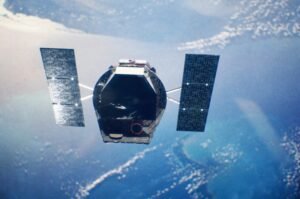
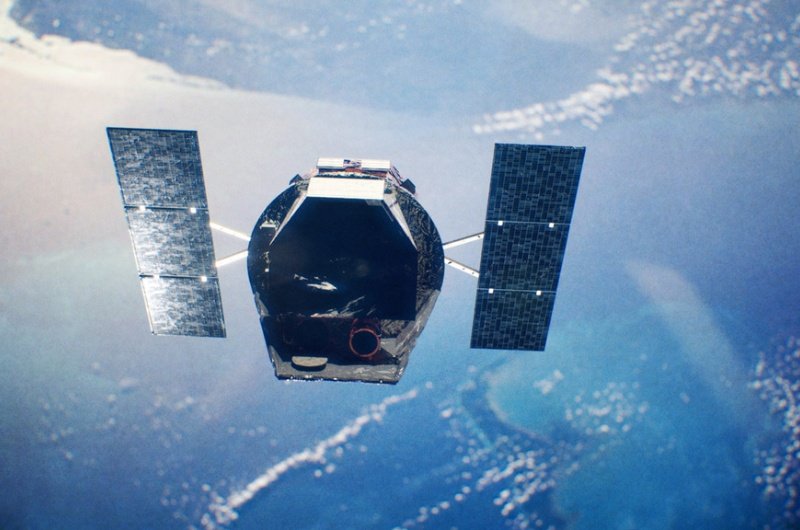
The agency has awarded a contract to aerospace company Katalyst Space Technologies to raise the orbit of NASA’s Neil Gehrels Swift Observatory, a space telescope that has spent more than two decades studying some of the universe’s most powerful events, including gamma-ray bursts, black holes, and neutron stars.
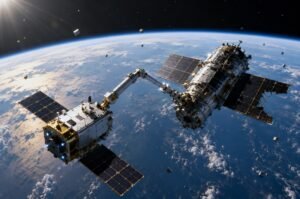
The effort, known as Swift Boost, aims to demonstrate whether commercial spacecraft can successfully rendezvous with and reposition satellites already operating in orbit. If successful, the mission could provide a glimpse into a future where spacecraft are serviced, upgraded, or repositioned rather than replaced.
NASA officials say Swift’s orbit has gradually declined as increased solar activity has expanded Earth’s upper atmosphere, creating additional drag on the spacecraft. While the observatory remains operational and continues to produce scientific data, the changing orbital conditions have prompted NASA to explore ways to extend its mission.
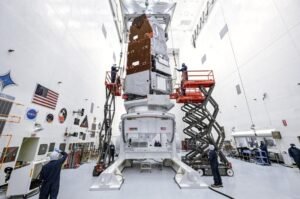
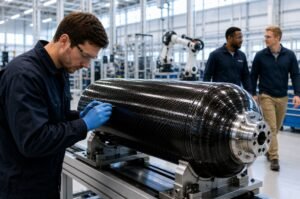
To accomplish that goal, Katalyst Space has developed a spacecraft known as LINK, which is designed to locate Swift in orbit, rendezvous with the observatory, and raise it to a higher altitude.
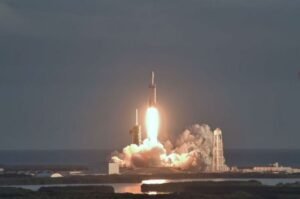
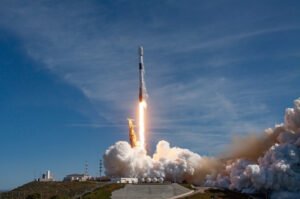
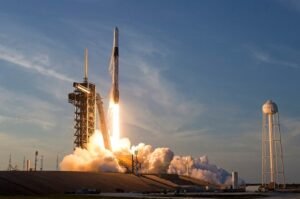
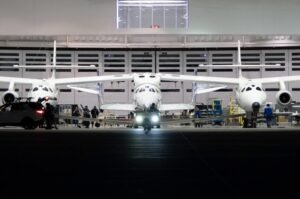
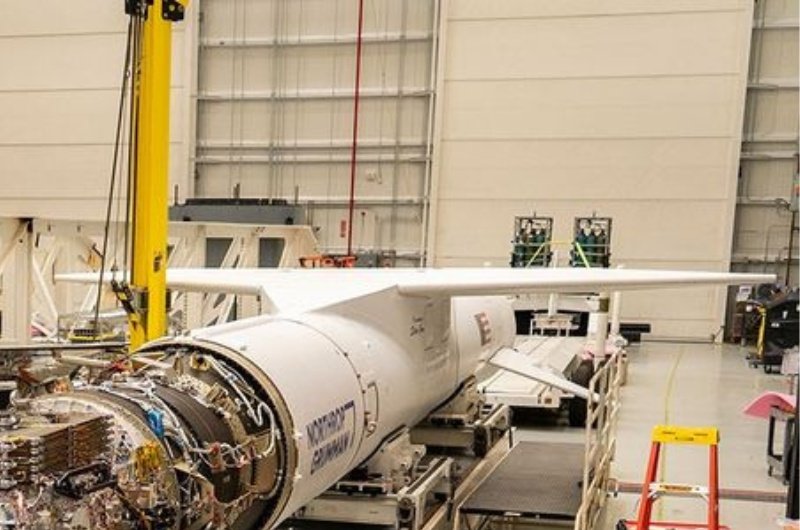
Preparations for the mission have already advanced significantly. According to NASA, a Northrop Grumman Stargazer aircraft recently departed NASA’s Wallops Flight Facility carrying a Pegasus XL launch vehicle integrated with the LINK spacecraft as teams move closer to launch.
The mission represents more than an effort to support a single observatory. Aerospace experts view orbital servicing as one of the industry’s most promising emerging capabilities. A successful demonstration could help satellite operators extend mission lifespans, reduce costs, and make better use of spacecraft already deployed in orbit.
For decades, most satellites have been designed with a limited operational lifespan. Once fuel runs low or orbital conditions change, many are retired even if their instruments remain functional. Missions such as Swift Boost seek to challenge that model by proving that spacecraft can receive a second life through on-orbit servicing.
For NASA, the mission could preserve the scientific contributions of one of its most successful observatories. For the broader aerospace industry, it could provide an early look at a future where maintaining spacecraft becomes as important as launching them.
The Readovia Lens
The commercial space industry is increasingly moving beyond launches and satellite deployment into a new phase focused on servicing, maintenance, and sustainability in orbit. If Swift Boost succeeds, it could help demonstrate that satellites and space telescopes no longer need to be discarded simply because their original missions are nearing an end. Instead, they may become part of a new generation of spacecraft designed to be maintained, repositioned, and kept in service for years beyond their original expectations.