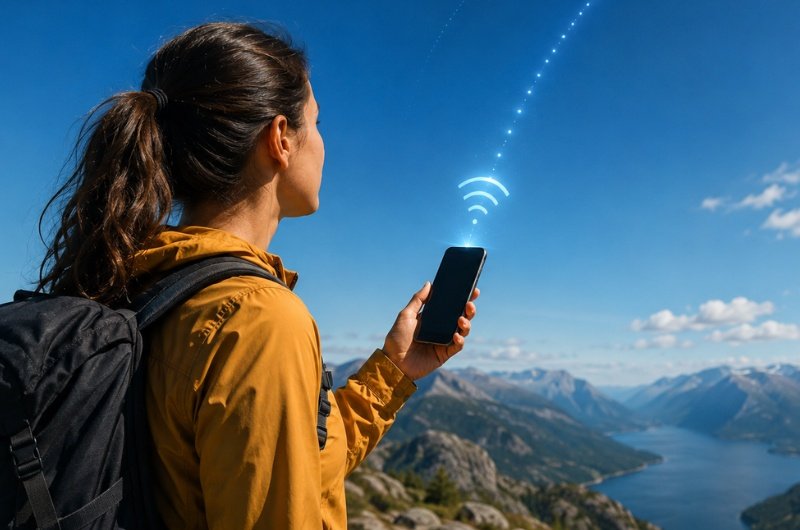
Dropped calls in remote areas and dead zones far from the nearest cell tower could one day become much less common. A new generation of satellites is bringing that possibility closer to reality, as companies race to build networks capable of connecting directly with everyday smartphones. Instead of relying entirely on ground-based towers, the technology aims to beam cellular service from low Earth orbit, extending coverage to places where traditional infrastructure is limited or unavailable.
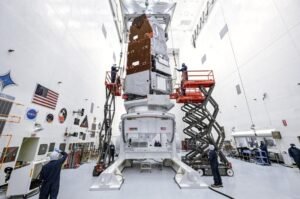
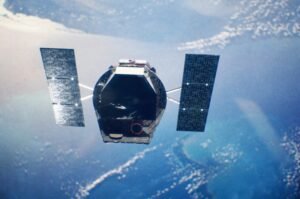
One of the companies leading that effort is AST SpaceMobile, which is developing a constellation of satellites designed to provide broadband connectivity directly to standard mobile phones. Unlike many satellite communication systems that require specialized equipment, AST SpaceMobile’s vision is to work with devices people already carry in their pockets.
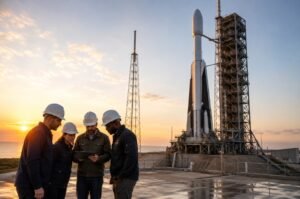
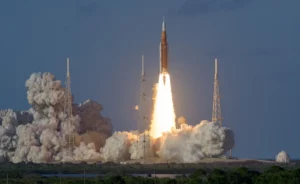
The latest milestone came with the successful deployment of additional BlueBird satellites, launched aboard a SpaceX Falcon 9 rocket. Each new satellite expands the company’s growing network and moves the project one step closer to offering broader direct-to-cell coverage.
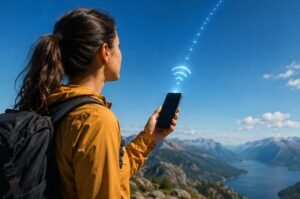
The potential applications extend well beyond convenience. Satellite-based cellular service could help people stay connected in rural communities, national parks, offshore locations, and disaster zones where ground infrastructure has been damaged or simply doesn’t exist. Emergency responders, travelers, and businesses operating in remote regions could all benefit from more reliable communications.
For consumers, the biggest appeal may be simplicity. The long-term goal is to allow compatible smartphones to connect without bulky satellite accessories or dedicated terminals, making space-based connectivity feel much like using a traditional mobile network.
The technology is still evolving, and widespread service will depend on additional satellite deployments, regulatory approvals, and partnerships with mobile carriers. Even so, recent progress suggests the idea of receiving a cell signal directly from space is moving from science fiction toward everyday reality.
As more satellites enter orbit and companies continue to invest in next-generation communications, the line between terrestrial and space-based networks may become increasingly difficult to see. The next time your phone searches for a signal, it might not just be looking for the nearest tower—it could be reaching toward the sky.