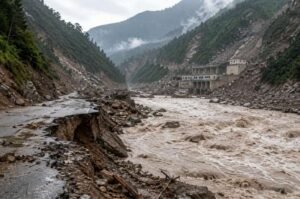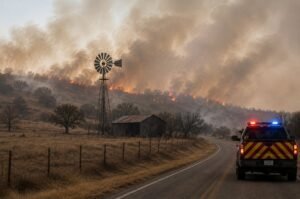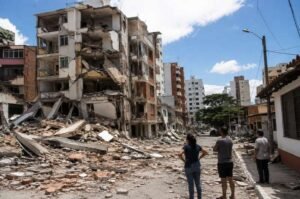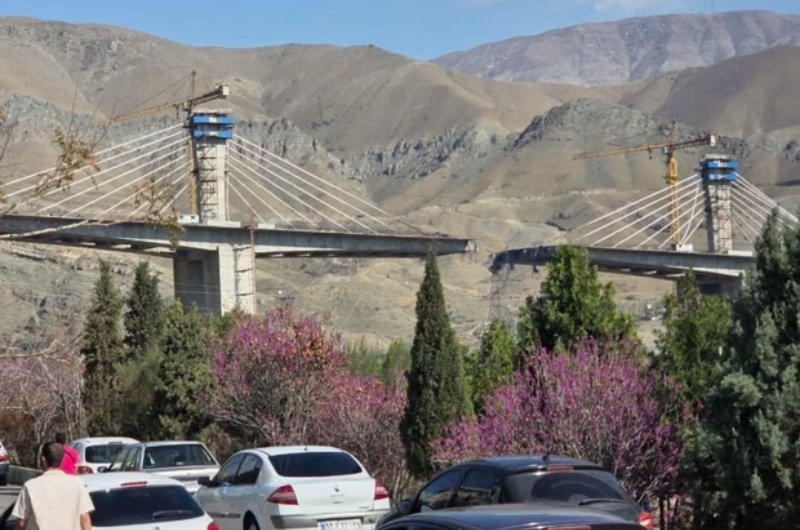
A U.S. airstrike targeting one of Iran’s most significant infrastructure points has sharply escalated tensions in an already intensifying conflict. The strike destroyed a major bridge near Tehran, signaling a shift in how this confrontation is unfolding—and how far it could go.
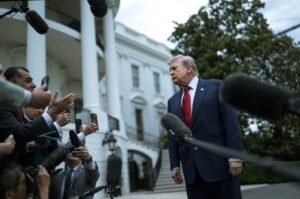
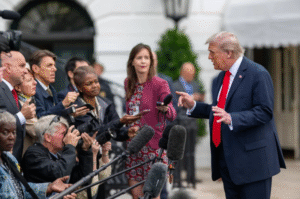
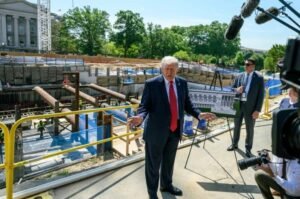
President Donald Trump confirmed the operation and warned that additional actions could follow if Iran does not move toward de-escalation. The message was direct: the current phase of the conflict is not contained, and further strikes remain on the table.
The destruction of a key transportation link marks a notable turning point. Earlier actions had largely focused on military capabilities, but this move expands the scope to infrastructure that supports daily movement and economic activity. It reflects a broader strategy aimed at applying pressure beyond the battlefield.
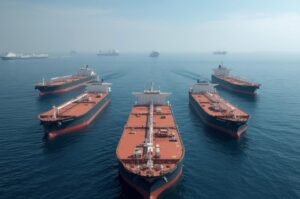
The ripple effects are already being felt. Markets reacted quickly, with renewed concerns about energy supply and regional stability pushing oil prices higher. As tensions rise, the risk of wider disruption—both economically and geopolitically—continues to grow.
What began as a targeted military response is now evolving into something more complex, with both sides signaling they are prepared to continue. The question is how far it will extend.
The Readovia Lens
When infrastructure becomes part of the target list, the nature of conflict changes. The impact moves beyond strategy and into daily life—affecting movement, markets, and stability on a global scale.