

Diplomatic efforts to reopen the Strait of Hormuz are gaining momentum, with U.S. and regional officials reporting progress toward an agreement that could restore more normal shipping through one of the world’s most important energy routes.
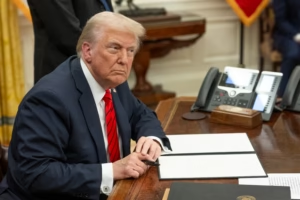
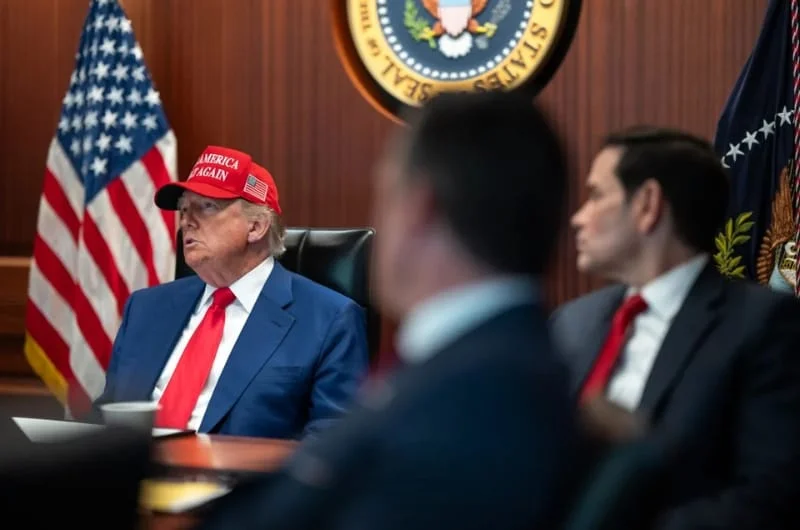
President Trump said negotiations were going “very good” following all-day discussions Tuesday and suggested the strait could reopen soon. Secretary of State Marco Rubio also said progress had been made, although he emphasized that no final agreement had been reached. Iran, meanwhile, says its negotiations over the waterway are being conducted with Oman rather than directly with Washington.
The emerging proposal could create separate arrangements for ships entering and leaving the Persian Gulf. Reuters reported that Iran is seeking control over inbound traffic and oversight of outbound vessels, while Oman would play a role in managing ships leaving the Gulf. Those provisions remain a major sticking point, with Washington opposing an arrangement that would give Tehran broad authority over international shipping through the strait.
Other details remain unresolved, including possible transit fees and the extent to which Iranian authorities could inspect or intervene with commercial vessels. The negotiations are particularly consequential because shipping through Hormuz has remained far below normal levels during the conflict, disrupting energy markets and forcing companies to reconsider routes, insurance and security.
Trump said more could become clear within the next 48 hours, keeping the possibility of renewed military action on the table if diplomacy fails. For now, however, the negotiations represent one of the clearest signs yet that the United States, Iran and regional mediators may be moving toward an arrangement capable of easing the months-long crisis surrounding the Strait of Hormuz.