The Middle East war that began in February widened again this week, as the United States, Saudi Arabia, and Iran traded direct strikes across three countries in under 48 hours — and Iran’s grip on the Strait of Hormuz tightened once more.
Iran Targets a US Base in Jordan
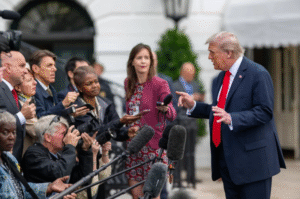
Iran’s Revolutionary Guard said it fired ballistic missiles at the Muwaffaq Salti Air Base and the U.S. military’s Central Command headquarters in Jordan on Wednesday, calling it a response to what it described as aggressive U.S. actions. Jordan’s military said five of the missiles were intercepted and destroyed before reaching their targets. President Trump responded by threatening to hit Iran “hard,” framing the strike as Iran’s attempt to test the U.S. after a brief pause in hostilities.
US and Saudi Arabia Strike Back in Iraq
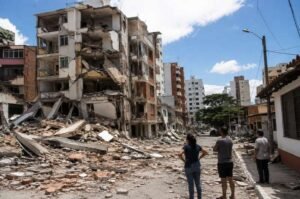
Hours earlier, the U.S. military and Saudi Arabian forces had carried out joint strikes against Iran-backed militias in Iraq, in response to earlier attacks on U.S. forces and Saudi oil facilities. The Popular Mobilization Forces, the Iran-aligned umbrella militia group targeted in the strikes, said at least 20 people were killed and 32 others injured. Saudi Arabia’s direct participation marks a shift for a kingdom that had largely avoided being pulled into the conflict.
The strikes triggered immediate political fallout in Baghdad. Former Iraqi Prime Minister Mohammed Shia al-Sudani warned against what he called a dangerous overstep of the principle of Islamic brotherhood, while the Iraqi prime minister directed the Foreign Ministry to pursue legal action against both the United States and Saudi Arabia.
Oil Markets Feel It Immediately
Brent crude, the global benchmark, jumped more than 7% to $90.66 a barrel as the strikes and Iran’s attempted attack on U.S. forces rattled traders. Analysts pointed to both the renewed strikes and Iran’s continued insistence on controlling shipping through the Strait of Hormuz as the driver behind the price jump.
The Strait Tightens Again
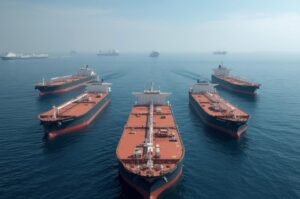
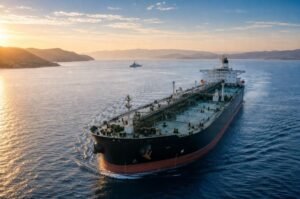
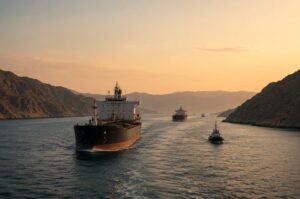
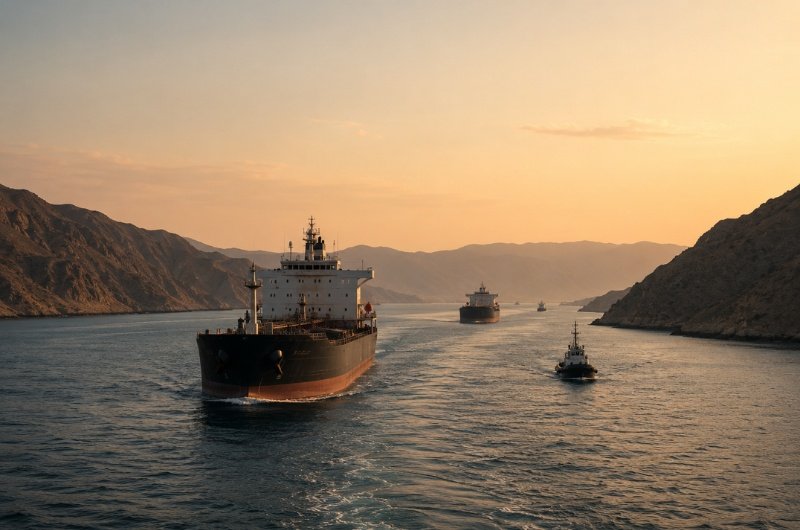
The pressure showed up on the water almost immediately. Iran’s Revolutionary Guard said Thursday that two oil tankers, described as moving with U.S. encouragement, attempted to leave through what Iran considers an unsafe southern route through the Strait — and turned back after one of the vessels caught fire. The Guard reiterated that it has controlled the Strait since the conflict began on February 28, requiring vessels to follow designated routes and pay fees, and that the waterway remains closed over what it calls continued U.S. interference.
The Readovia Lens
Three fronts, one war. Every time a ceasefire looks close, a strike, a missile, or a tanker resets the clock — and the Strait of Hormuz remains the fastest way for Tehran to make the rest of the world feel it.