

Texas has become one of the biggest destinations for America’s AI data-center boom. Now the state is slowing new projects while it figures out just how much electricity the rapidly expanding industry will actually need — and how much of the demand being claimed is real.
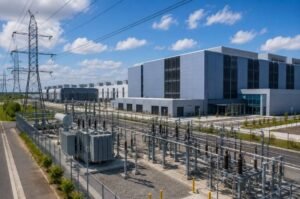
Requests from large electricity users seeking connections to the Texas grid have soared as technology companies race to build the computing infrastructure behind artificial intelligence and cloud services. Texas now has roughly 474 gigawatts of proposed large-load projects seeking power, compared with about 48 gigawatts in 2023. Not all of those projects are expected to be built, prompting the state to pause new data-center approvals while it audits projects already in the pipeline.
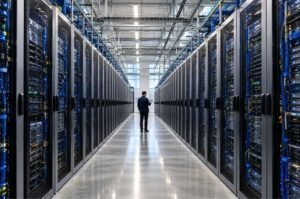
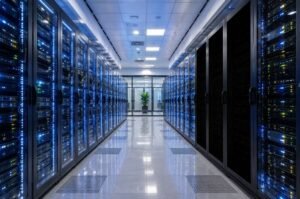
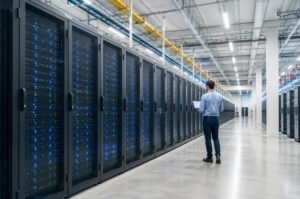
The enormous numbers highlight a broader challenge facing the AI industry: data centers consume extraordinary amounts of electricity. Powerful processors run around the clock performing calculations, while cooling equipment must continuously remove the heat those machines produce. The U.S. Energy Information Administration says data centers are already helping drive electricity demand higher after years of relatively little growth, particularly in Texas and the Mid-Atlantic.
The Texas pause is partly intended to separate legitimate projects from what the industry has begun calling “ghost demand” — proposed facilities reserving enormous amounts of grid capacity even though some may lack the financing or readiness to ever be built. Across portions of the Midwest, Mid-Atlantic and South, requests from very large electricity users now exceed 700 gigawatts, according to a Reuters review of utility and grid data. That is more than 10 times estimates of the electricity currently consumed by U.S. data centers.
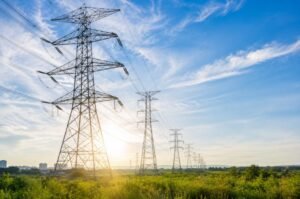
But eliminating speculative projects does not eliminate the underlying energy problem. Texas is already setting electricity-demand records. ERCOT, which manages most of the state’s grid, reached a record 91.1 gigawatts of hourly demand during a July heat wave. The Energy Information Administration expects U.S. electricity generation to continue rising as utilities respond to growing data-center demand, with new solar projects and increased natural-gas generation supplying much of the additional electricity.
The Readovia Lens
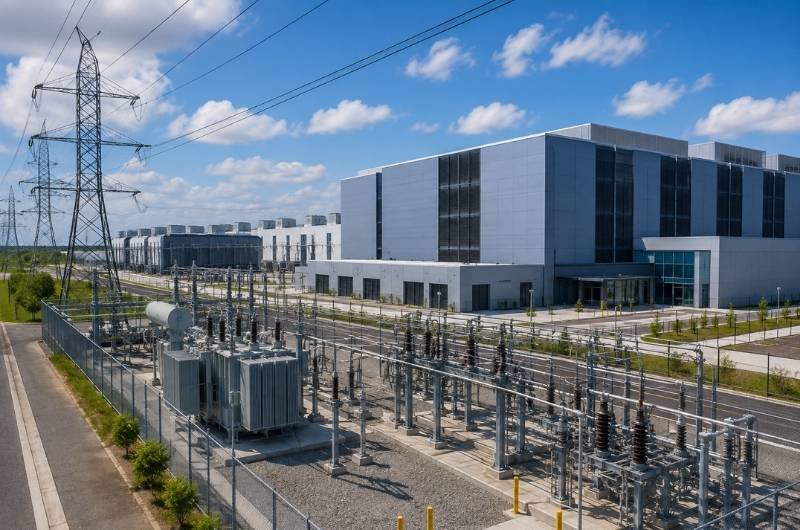
The challenge facing Texas goes well beyond determining which proposed data centers will actually be built. Artificial intelligence is turning computing capacity into a major new source of electricity demand at a time when homes, businesses and industries are already competing for reliable power. The AI boom may ultimately require not only more chips and data centers, but significantly more power plants, transmission lines and other grid infrastructure to keep them running.