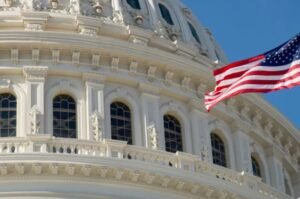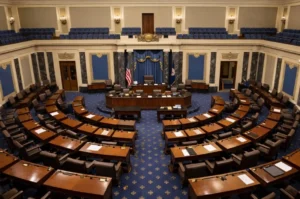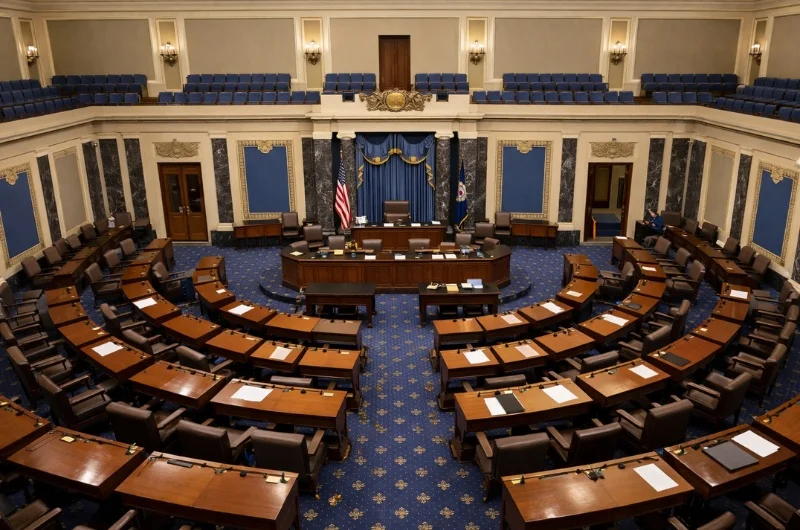
The U.S. Senate narrowly rejected an effort Thursday to limit President Donald Trump’s authority to continue military operations against Iran. The vote leaves the administration’s war powers unchanged despite growing bipartisan concern over the expanding conflict.
The proposal sought to require congressional authorization before U.S. military involvement in Iran could continue, reviving a long-running constitutional debate over the balance of power between Congress and the presidency during armed conflicts. Supporters argued lawmakers should play a larger role in decisions that could deepen U.S. involvement overseas, while opponents said the president must retain flexibility to respond quickly to national security threats.
Although the resolution failed, the close vote underscored growing unease on Capitol Hill as the conflict has stretched on for months and military costs have climbed. Several Republican senators broke with party leadership to support the measure, highlighting divisions over the administration’s handling of the war.
The vote does not alter current U.S. military operations, but it signals that congressional scrutiny of the conflict is likely to intensify if fighting continues. Additional efforts to revisit presidential war powers could emerge as lawmakers debate future military funding and America’s role in the region.
The Readovia Lens
The Senate’s vote wasn’t just about Iran—it was about who decides when America goes to war. While presidents have long exercised broad military authority, the narrow margin shows Congress remains deeply divided over where executive power should end and legislative oversight should begin. As the conflict evolves, that constitutional debate may become just as consequential as events on the battlefield.
——————–
Related:
Iran War Spills Across Borders as Strikes Hit Two Iraq Crossings
Pentagon Requests Additional $80 Billion to Cover Iran Conflict Costs
U.S. Issues Worldwide Security Alert as Iran Conflict Escalates
Trump Reinstates Blockade of Iranian Ports, Imposes 20% Strait of Hormuz Security Fee