

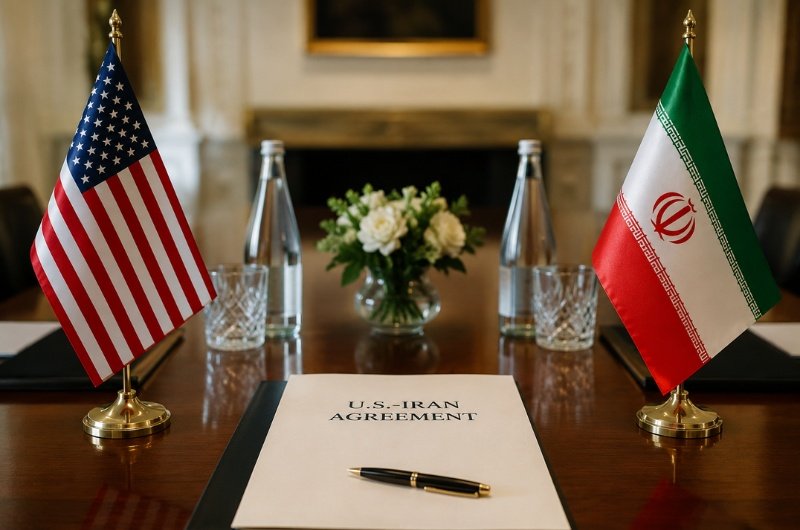
A proposed peace agreement between the United States and Iran is entering a critical phase as negotiators work through the details of a framework aimed at reducing tensions and preventing a broader regional conflict.
The diplomatic effort follows weeks of heightened military activity and uncertainty across the Middle East, where concerns over security, energy supplies, and international trade routes have kept governments and financial markets on alert. While recent progress has fueled cautious optimism, the success of any agreement will depend on how its provisions are implemented in the weeks ahead.
According to reports, the draft framework includes commitments designed to reduce the risk of further military escalation and create a pathway for continued dialogue between the two countries. However, several important issues remain unresolved, including verification measures, long-term security arrangements, and the timeline for carrying out key obligations.
The negotiations also carry significant implications beyond the region. Any sustained easing of tensions could help stabilize global energy markets and reduce concerns about disruptions to shipping through the Strait of Hormuz, one of the world’s most important corridors for transporting oil and other goods.
Financial markets have responded positively to signs of diplomatic progress, with investors viewing the prospect of greater regional stability as a welcome development after weeks of uncertainty. At the same time, observers caution that negotiations remain fluid and that unexpected setbacks could still emerge before a final agreement is reached.
For now, the focus remains on whether both sides can translate diplomatic momentum into lasting commitments. The coming days are expected to provide a clearer picture of whether the proposed agreement can serve as the foundation for a more durable period of stability in the Middle East.