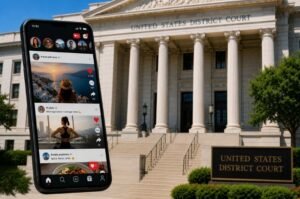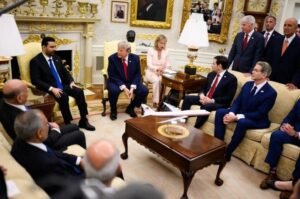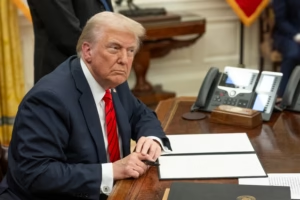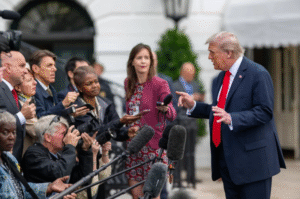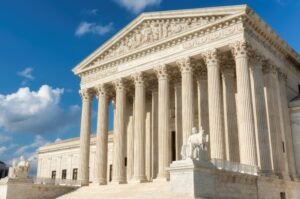


The U.S. Supreme Court delivered a significant legal victory to the Trump administration Tuesday in a closely watched case involving speech restrictions placed on federal immigration judges, adding new momentum to the broader national debate surrounding immigration policy, executive authority, and constitutional rights.
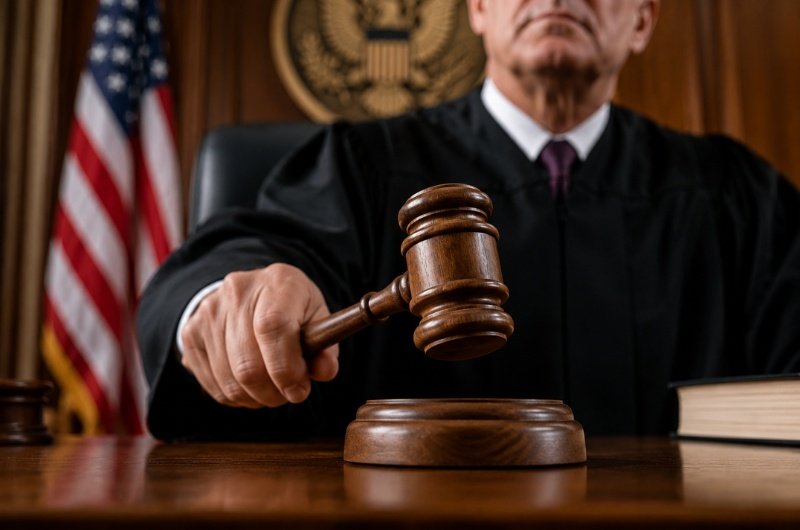
The dispute centered on a policy requiring immigration judges to seek approval before making certain public comments connected to immigration matters or their official roles. Critics argued the restrictions violated First Amendment protections and raised concerns about judicial independence inside the nation’s immigration court system.
Rather than issuing a sweeping ruling on free speech itself, the Supreme Court focused primarily on procedural issues tied to how the case was handled in lower courts. The justices determined that an appeals court relied too heavily on arguments that were not directly presented by the plaintiffs, sending the case back for further review.
While the ruling does not fully settle the broader constitutional questions surrounding the policy, it gives the Trump administration a major legal advantage for now and preserves the restrictions as the case continues moving through the judicial system. Supporters of the policy argue the rules help maintain neutrality and professionalism within immigration courts, while opponents view the restrictions as government overreach that limits open discussion on issues of public importance.
The decision arrives at a time when immigration remains one of the most politically charged issues in the country, with legal disputes over border enforcement, deportation policies, and federal authority continuing to intensify ahead of the next election cycle.
The Readovia Lens
Immigration battles are increasingly evolving into larger constitutional fights involving executive power, federal oversight, and the limits of speech within government institutions. Cases like this reflect how deeply immigration policy is now intertwined with broader questions about transparency, accountability, and authority inside the American legal system.