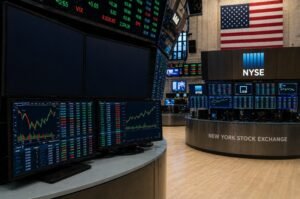

The S&P 500 closed at 7,766 points on August 10, extending a run that has pushed the index up more than 21% over the past year. The rally followed a surprisingly weak July jobs report, which shifted investor expectations about the Federal Reserve’s next move on interest rates.
A Weaker-Than-Expected Jobs Report
The US economy lost 23,000 jobs in July, well short of the roughly 80,000-job gain economists had forecast. The unemployment rate held steady at 4.1%. Labor force participation slipped to 61.4%, its lowest level in more than five years, a sign some workers are leaving the job hunt altogether rather than finding new roles. Job losses were concentrated in local government education, retail, and financial activities, while healthcare and construction still added jobs.
Why Stocks Rose on Bad News
Before the report, many investors expected the Fed would need to raise rates to keep inflation in check, given a job market that had looked strong. The soft numbers changed that math: odds of a September rate hike fell from around 55% to 44%, according to CME Group’s FedWatch tool. The Fed’s benchmark rate currently sits in the 3.50%-to-3.75% range. Gold pushed past $4,340 an ounce and silver jumped nearly 3% as bond yields pulled back on the news.
What Comes Next
Attention is now turning to this week’s Consumer Price Index report, which will offer a clearer read on inflation and could reinforce or undercut the market’s current bet. Investors are also weighing broader pressures, including elevated energy prices tied to ongoing tension in the Middle East.
CoinDesk
The Readovia Lens
Markets are effectively betting that a cooling job market gives the Fed room to pause rather than tighten. That bet holds until this week’s inflation data lands — a reminder that record highs can rest on assumptions still waiting to be tested.