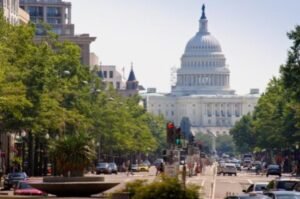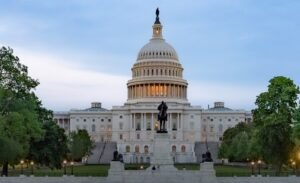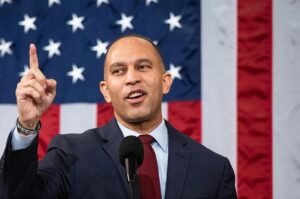

A divided federal appeals court ruled November 20 that Congress violated the Constitution when it used pandemic-era proxy voting to pass a 2022 spending bill containing the Pregnant Workers Fairness Act. The 9–8 decision by the U.S. Court of Appeals for the Fifth Circuit upheld an injunction preventing federal authorities from enforcing the workplace protections against the state of Texas, potentially setting up a Supreme Court confrontation.

The Pregnant Workers Fairness Act requires covered employers to provide reasonable accommodations for workers experiencing pregnancy-related limitations, unless doing so would impose an undue hardship. Those accommodations can include additional bathroom breaks, modified duties and time away for medical appointments. The court’s decision centered not on those protections themselves, but on whether lawmakers were constitutionally permitted to count proxy participation toward the House quorum needed to pass legislation.
The ruling does not eliminate the Pregnant Workers Fairness Act nationwide, and its injunction is limited to enforcement against Texas. However, the court’s reasoning could encourage challenges to other legislation approved using the same pandemic-era voting procedures. Separate federal and state protections against pregnancy discrimination also remain relevant, making the immediate legal consequences different depending on the employer and jurisdiction.
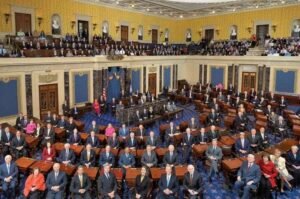
The majority concluded that the Constitution requires a majority of House members to be physically present when conducting legislative business. Dissenting judges disputed that interpretation, arguing that the Constitution allows Congress to determine its own procedures for establishing a quorum. The closely divided ruling introduces uncertainty about the legal standing of legislation enacted during an extraordinary period when lawmakers relied on remote participation to keep Congress operating.
The Readovia Lens
A dispute over congressional voting procedures has become a consequential workplace rights case. For pregnant employees, the immediate concern is whether employers must provide accommodations that can make remaining on the job safer and more manageable. For Congress, the implications extend further: a legal challenge to the way lawmakers voted during the pandemic could become a test of how much authority federal courts have to scrutinize the legislative process.