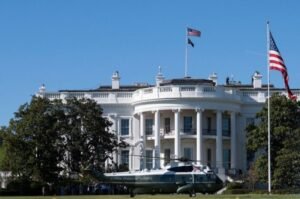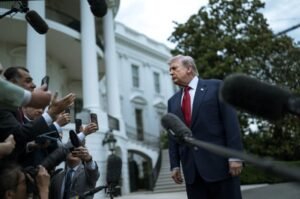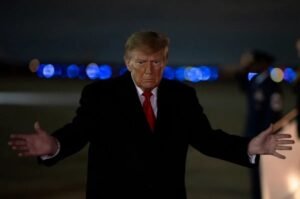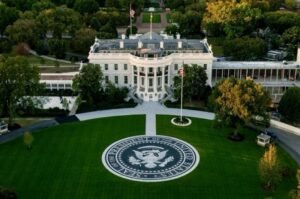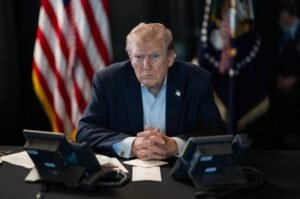


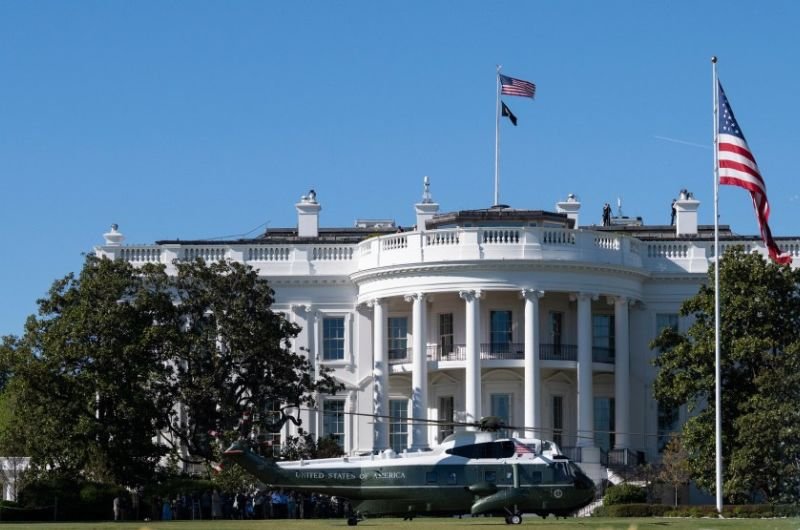
The White House has ordered federal agencies to obtain advance approval before employees agree to testify before Congress, setting the stage for a potential confrontation over congressional oversight when Democrats take control of the House and Senate in January. The November 16 directive places decisions about voluntary appearances under the review of President Donald Trump’s legal and legislative affairs offices.
In a memorandum sent to agency general counsels, White House Counsel Will Scharf instructed executive departments and agencies to secure clearance from both the Office of White House Counsel and the Office of Legislative Affairs before personnel agree to appear before congressional committees. Scharf characterized the requirement as part of an established consultation process and indicated that additional guidance concerning interactions with Congress would follow.
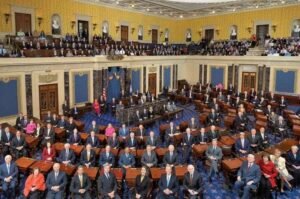
The timing is significant. Democrats won control of both chambers in the November 3 midterm elections and are preparing investigations involving federal agencies, administration policies, and government spending. The White House has defended its approach as a safeguard against politically motivated inquiries, while Democratic lawmakers maintain that congressional oversight is a constitutional responsibility that cannot be controlled by the executive branch.
The central distinction is between an employee voluntarily agreeing to testify and Congress formally compelling testimony. The White House memorandum addresses agency approval before employees agree to appear, but Congress possesses investigative authorities that include issuing subpoenas. Disputes over those powers can involve executive privilege, access to government information, and the limits of congressional inquiries. The new directive does not resolve those longstanding legal questions.
The disagreement has already extended beyond scheduling witnesses. In correspondence with incoming House Oversight Committee Chairman Robert Garcia, Scharf challenged the legitimacy of some anticipated investigations. Garcia rejected the suggestion that the White House could determine Congress’s authority to investigate. With new committee leadership preparing to take office, the practical consequences of the directive may become clearer when lawmakers begin requesting testimony and documents.
The Readovia Lens
The White House’s new rules for congressional testimony could lead to a major disagreement over government power. The president has the authority to oversee federal employees, but Congress has the responsibility to investigate government actions and hold officials accountable. The biggest conflict could come if Congress orders federal employees to testify and the White House objects. For Americans, the outcome could affect how easily Congress can investigate government decisions, examine how taxpayer money is spent, and uncover possible wrongdoing.