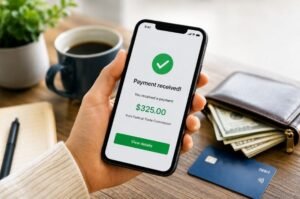



For many Americans, a side hustle has become more than a way to earn extra spending money. It’s helping cover groceries, housing, utilities and other everyday expenses. But while additional income can provide much-needed financial relief, new survey findings suggest that the growing reliance on side hustles may also come with a significant personal cost.
A 2026 survey published by The Penny Hoarder found that 53% of respondents with side hustles would struggle to cover essential expenses without their additional earnings. Meanwhile, 65% reported experiencing burnout. The findings highlight a difficult reality for workers who depend on income from multiple sources: earning more money can help keep household finances afloat, but it often requires sacrificing time that would otherwise be spent resting, pursuing personal interests or being with family.
The financial rewards can also vary considerably. Separate research published by Self Financial estimated that Americans with side hustles earn an average of approximately $553 per month. However, that figure doesn’t necessarily reflect what workers take home after accounting for expenses, taxes and the time required to generate the income. Freelance writing, tutoring, pet sitting, delivery services and selling products online can all provide additional earnings, but each comes with different costs, demands and levels of income stability.
At the other end of the spectrum, some side hustles have grown into highly profitable businesses. Social media influencers, content creators and entrepreneurs can generate five-figure or even six-figure annual incomes through advertising revenue sharing on platforms such as YouTube, brand sponsorships, affiliate marketing, digital products and other revenue streams. Those success stories demonstrate the potential of building an independent income source, although such earnings are far from typical and often require considerable time, investment and an established audience. For some, what begins as a side hustle eventually becomes a full-time business.
For anyone considering a side hustle, the key is finding an opportunity that makes financial sense without creating an unsustainable workload. Skills-based services such as tutoring, consulting or freelance digital work may offer greater flexibility and lower startup costs than opportunities requiring substantial equipment, inventory or transportation expenses. Before committing, prospective side hustlers should calculate their expected earnings, subtract operating costs and consider how many hours they’ll need to work to make the effort worthwhile.
The Readovia Lens
A successful side hustle should improve someone’s financial position, not simply add another layer of exhaustion to an already demanding schedule. Setting a specific goal, whether paying down credit card debt, building an emergency fund or saving for a major purchase, can help determine how much additional income is actually needed. For Americans balancing rising living expenses with limited time and energy, the smartest side hustle may not be the one promising the biggest paycheck. It may be the one that delivers meaningful financial progress while leaving room for everything else that matters.