
America’s major television networks have suspended their shared video coverage of President Donald Trump after the White House blocked CNN from taking its scheduled turn covering the president.
ABC, CBS, CNN, Fox News and NBC normally rotate responsibility for providing television footage of presidential events to news organizations around the country and the world. But after CNN was prevented from carrying out its assigned pool duties Monday, the networks said they would not send a replacement and suspended presidential TV pool coverage.
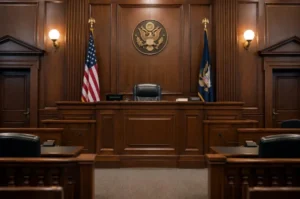
The dispute follows Trump’s decision to bar CNN, MS NOW and Politico from the White House because of reporting he has described as false. The three news organizations filed a federal lawsuit Monday, arguing that their credentials were revoked because the administration objected to their coverage and that the action violated their constitutional rights. The White House says access is a privilege rather than a right and maintains that the First Amendment does not guarantee a news organization a White House press credential.
As the traditional television pool stepped back, the White House launched its own 24-hour online video stream called “Trump TV.” The new channel, available through the White House’s digital platforms, features presidential appearances, administration announcements and previously recorded material.
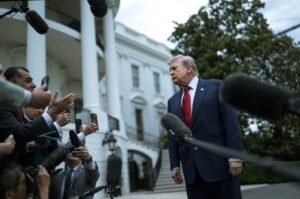
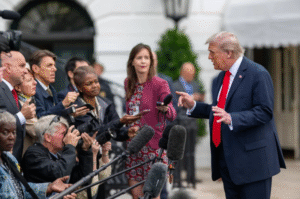
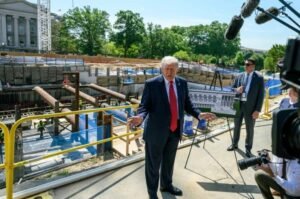
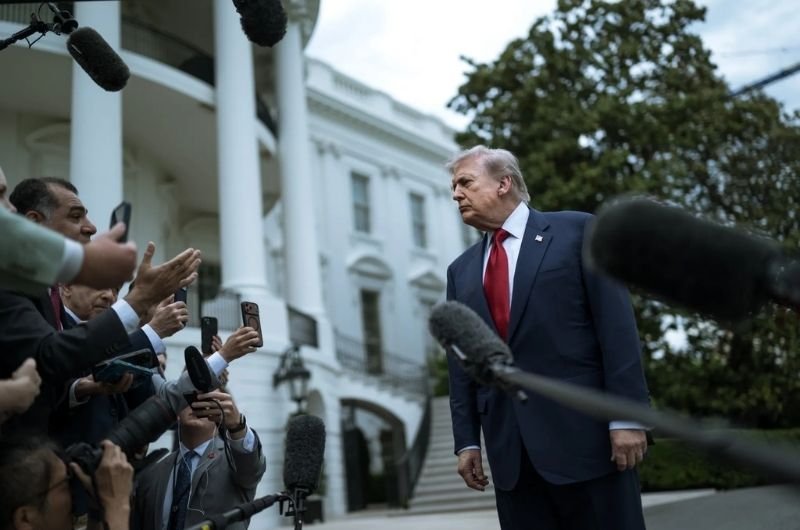
The television pool has operated for decades because space around a president is often limited. One network supplies the camera crew and distributes its footage to other news organizations, giving television outlets access to an independent shared video record without every organization needing its own camera crew at each event. With the presidential TV pool suspended, news organizations can continue reporting on Trump, but the usual shared television feed will not be available for events designated for pool coverage.
The Readovia Lens
This dispute goes beyond which network gets a camera inside the White House. The television pool gives news organizations an independent visual and audio record of presidential events that can be shared widely with the public. Without it, viewers may have fewer independently produced images from events where individual news organizations cannot bring their own cameras.