

Google is dramatically expanding its relationship with chipmaker Marvell as it builds more of the specialized computing infrastructure needed to power artificial intelligence. The agreement could ultimately generate as much as $120 billion in revenue for Marvell through early 2033 if Google purchases enough products to trigger the deal’s full incentives.
The arrangement goes well beyond an ordinary supplier contract. Google has received warrants giving it the right to purchase nearly 59 million Marvell shares at $206.58 each, potentially representing about $12.2 billion worth of stock if fully exercised. Portions of those warrants vest as Google’s purchases from Marvell increase, effectively tying Google’s potential ownership stake to the growth of the business between the two companies.
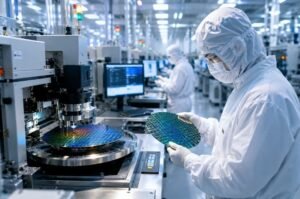
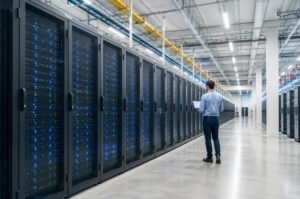
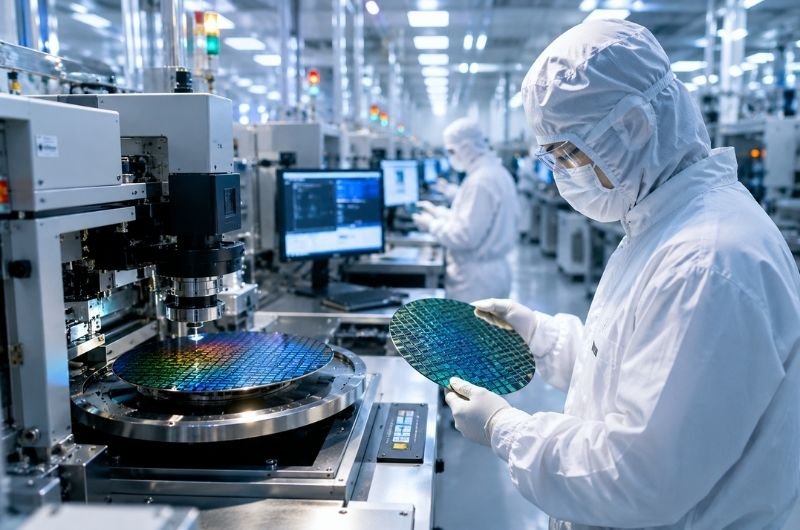
Marvell will work across several technologies surrounding Google’s custom Tensor Processing Units, or TPUs, including components that help run AI models, manage data and move enormous amounts of information through data centers. Google’s TPUs have become increasingly important as the company expands Gemini and its cloud AI business while seeking computing options beyond the expensive graphics processors that dominate much of today’s AI market.
The agreement also gives Google another major supplier alongside Broadcom, which has played a central role in Google’s custom-chip program. That diversification matters as AI infrastructure becomes increasingly strategic: relying on multiple chip partners can give Google additional production capacity, technical expertise and negotiating leverage as demand for AI computing continues to rise.
The Readovia Lens
The extraordinary $120 billion ceiling says something about how the AI race is changing. Building better models is only part of the competition now; technology companies also need enormous amounts of specialized computing capacity behind them. Google’s willingness to connect billions of dollars in potential Marvell ownership to future purchases shows how valuable that supply chain has become. The companies supplying the machinery behind AI are increasingly becoming strategic partners in the race itself.