The United Nations is warning that El Niño conditions could return later this year, increasing the likelihood of extreme weather events around the world, adding fresh uncertainty to an already volatile climate picture.
According to the World Meteorological Organization, there is a strong chance that El Niño will develop during the second half of 2026. The climate pattern, which originates in the Pacific Ocean, is known for influencing weather conditions across large portions of the globe, often bringing heavier rainfall to some regions while contributing to drought, heat, and wildfire risk in others.
Scientists say a return of El Niño could further elevate global temperatures that have already reached record or near-record levels in recent years. While forecasters are still monitoring the strength of any potential event, officials warn that even a moderate El Niño can have significant effects on agriculture, water supplies, energy demand, and disaster preparedness efforts.
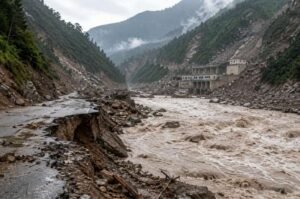
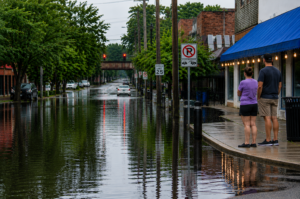
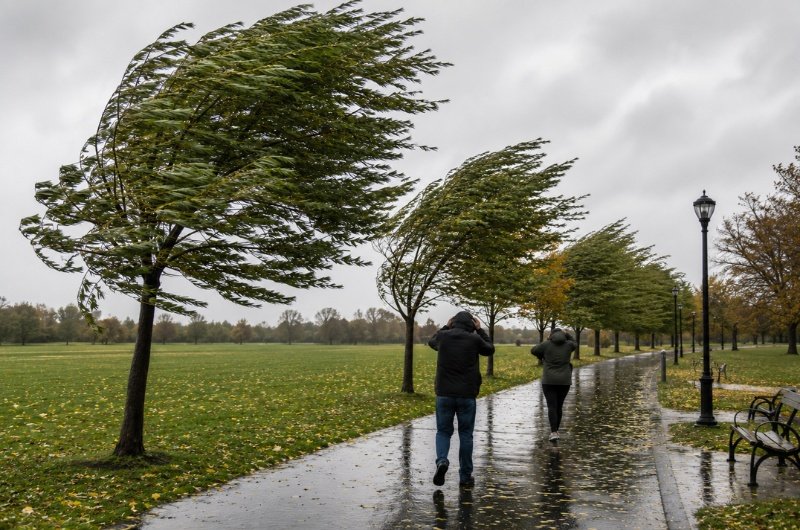
In the United States, El Niño’s impacts can vary by region, but the phenomenon has historically been linked to shifts in rainfall patterns, increased flooding risks in some areas, and disruptions to normal weather cycles. Communities vulnerable to drought, severe storms, or extreme heat may be watching forecasts particularly closely in the months ahead.
While weather experts caution that it is too early to predict specific local impacts, the warning serves as an early reminder that conditions in the Pacific Ocean can influence weather patterns thousands of miles away. As governments, businesses, and emergency planners prepare for the possibility of a new El Niño cycle, scientists will continue monitoring developments throughout the summer.
The Readovia Lens
El Niño is often discussed as a climate event, but its effects can extend far beyond weather forecasts. From food prices and energy demand to insurance costs and disaster recovery efforts, major weather patterns can ripple through the broader economy. If El Niño returns later this year, its impact may be felt in places far removed from the Pacific Ocean itself.