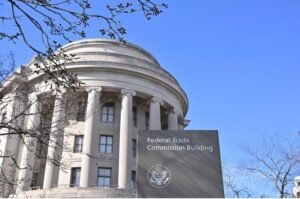
A New York federal trade court has ruled against key parts of President Donald Trump’s new 10% global tariff plan, delivering a major legal setback to one of the administration’s most aggressive economic strategies. The court determined that the White House exceeded its authority in attempting to impose sweeping import tariffs under emergency trade powers.
The ruling immediately injects new uncertainty into U.S. trade policy and global markets, particularly for industries already navigating higher costs and supply chain pressure. The tariffs were designed to apply broadly across imported goods and were framed by the administration as a way to protect American manufacturing and reduce dependence on foreign products.
The decision is also expected to intensify debate over how much power a president should have to reshape trade policy without direct approval from Congress. Legal experts say the case could carry long-term implications for future administrations seeking to use emergency economic authority to impose broad trade restrictions.
Markets reacted cautiously following the ruling, while business groups and import-reliant industries welcomed the decision as a potential relief from rising operational costs. Supporters of the tariff strategy, however, argue the administration was taking necessary steps to strengthen domestic industry and counter foreign economic influence.
The White House is expected to challenge the ruling, setting the stage for what could become another closely watched legal and political battle over executive power, trade policy, and the direction of the U.S. economy.