

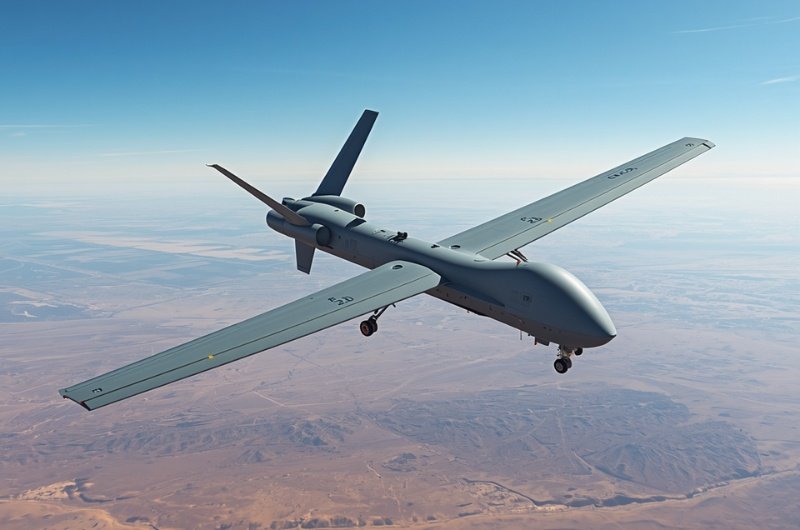
Tensions between the United States and Iran escalated sharply Monday after Iran shot down an American drone, prompting U.S. strikes on Iranian radar and drone facilities. Iran later launched missiles toward U.S. forces in Kuwait, according to U.S. officials, who said the missiles were intercepted and no casualties were reported.
U.S. officials said the military action was a direct response to the drone incident, which marked one of the most serious confrontations between the two countries in recent months. The strikes targeted radar installations and drone-related infrastructure that U.S. officials say were connected to Iran’s military operations.
Iran responded by firing missiles toward American positions in Kuwait, though U.S. officials said air defense systems successfully intercepted the incoming projectiles before they could cause damage. Both sides have accused the other of increasing tensions in the region, which remains one of the world’s most strategically important areas for energy production and international shipping.
The latest exchange underscores the fragile security environment across the Middle East, where U.S. forces, Iranian military assets, and key energy infrastructure operate in close proximity. Military incidents involving drones, missiles, and naval assets have repeatedly raised concerns about the potential for broader regional instability.
While no casualties were immediately reported, the rapid exchange of military action highlights how quickly tensions between Washington and Tehran can escalate. For global markets and policymakers alike, developments in the region remain closely watched because of their potential impact on energy supplies, shipping routes, and broader geopolitical stability.