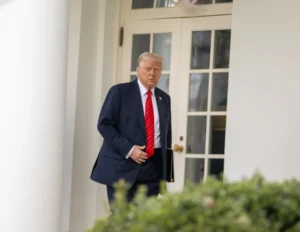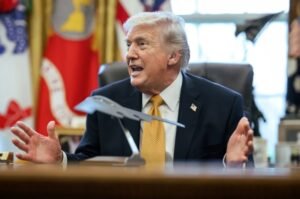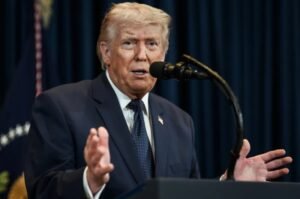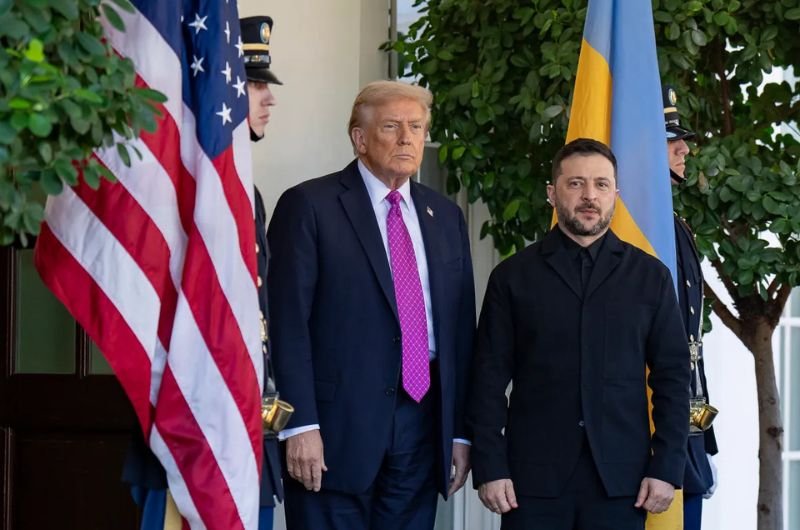
President Donald Trump held separate White House meetings Tuesday with Ukrainian President Volodymyr Zelenskyy and Israeli Prime Minister Benjamin Netanyahu, using a single day to advance two of the administration’s most pressing conflicts: the war in Ukraine and the aftermath of Israel’s joint campaign against Iran.
A Ukraine Meeting Focused on Air Defense
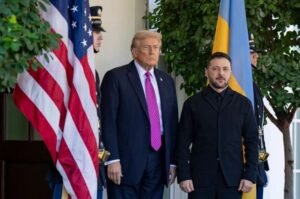
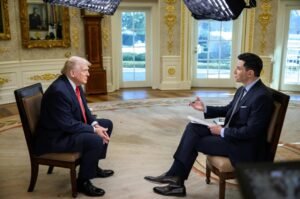
Zelenskyy’s Oval Office sit-down, his second with Trump this month, centered on expanding Ukraine’s supply of Patriot air defense systems. Zelenskyy said afterward that he and Trump discussed licenses for Patriot interceptor production and other measures, and that both sides agreed the diplomatic process needs to be reinvigorated. The conversation carried added weight given reports that top national security officials have also been weighing how a broader U.S.-Iran escalation could strain the Pentagon’s own stockpiles of air defense interceptors.
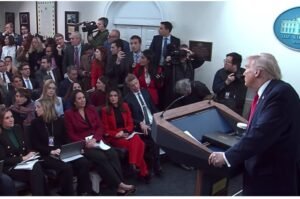
Trump pushed back on suggestions that American interceptor supplies are running low, telling reporters the U.S. has ample ammunition and blaming the previous administration for depleting stocks sent to Ukraine.
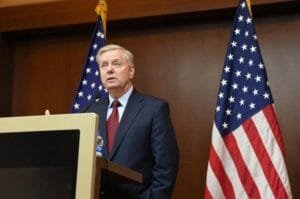
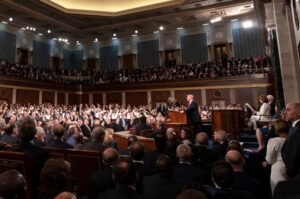
Zelenskyy’s visit coincided with a bigger legislative moment: following Senator Lindsey Graham’s funeral, he spent time with senators ahead of a Senate vote on a bipartisan Russia sanctions package that Graham had championed before his death. Senate Minority Leader Chuck Schumer said the vote was meant to show Russian President Vladimir Putin that Ukraine cannot be bullied.
Netanyahu’s First In-Person Visit Since the Iran Campaign
Netanyahu’s meeting was his first face-to-face with Trump since the two leaders launched their joint military campaign against Iran, and it arrived amid visible strain in the relationship. Trump has reportedly called the Israeli leader “crazy” in recent weeks while also declaring that Israel would not exist without him. Despite the friction, a White House official said the two were expected to cover the war with Iran, progress on Lebanon negotiations, and efforts to expand the Abraham Accords. Sources also said Saudi Arabia’s potential inclusion in the Accords came up directly.
The backdrop remains volatile. Iran’s top military command warned this week that its forces would block any vessel transit through the Strait of Hormuz tied to countries backing Trump’s proposal involving Iran’s frozen assets.
The Readovia Lens
Two allies, two wars, one day at the White House — and both conversations kept circling back to missile defense. Whether that turns into faster Patriot deliveries or just another headline will depend on what the Pentagon can actually spare.