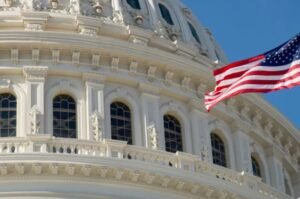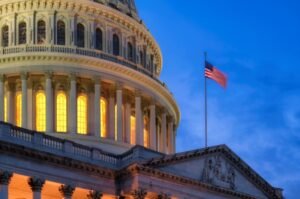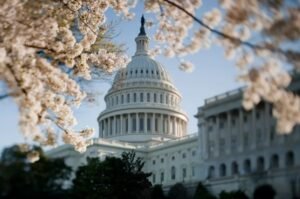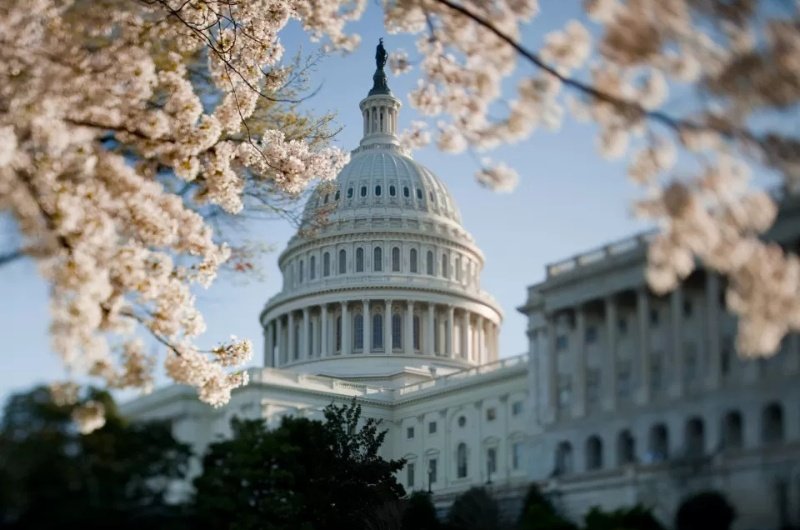
The U.S. House voted late Thursday to approve a short-term extension of Section 702 of the Foreign Intelligence Surveillance Act in Washington after lawmakers failed to agree on a longer renewal, keeping the surveillance authority in place through April 30 and setting up another high-stakes fight in Congress within days.
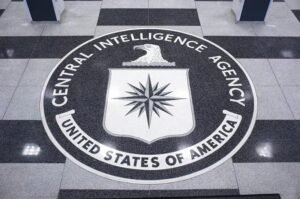
Section 702 allows U.S. intelligence agencies to monitor foreign targets overseas using communications data that moves through U.S.-based digital infrastructure. Supporters say the tool is vital for counterterrorism, espionage prevention, and national security operations. Critics argue Americans can be swept into that data collection process, raising long-running concerns about privacy and government overreach.
Republican leaders had pushed for a longer extension, but resistance from privacy-focused conservatives and Democrats blocked those efforts during a dramatic late-night session. The breakdown exposed rare bipartisan alignment from lawmakers who want stronger safeguards before granting a longer reauthorization.
The result now shifts pressure to the Senate and back to House negotiators, who must decide whether to tighten privacy protections, pass another temporary patch, or risk a lapse in one of the government’s most controversial intelligence programs. With the clock reset to April 30, the debate is far from over.