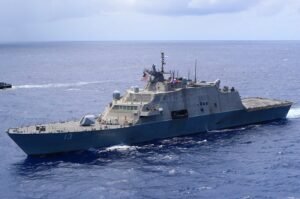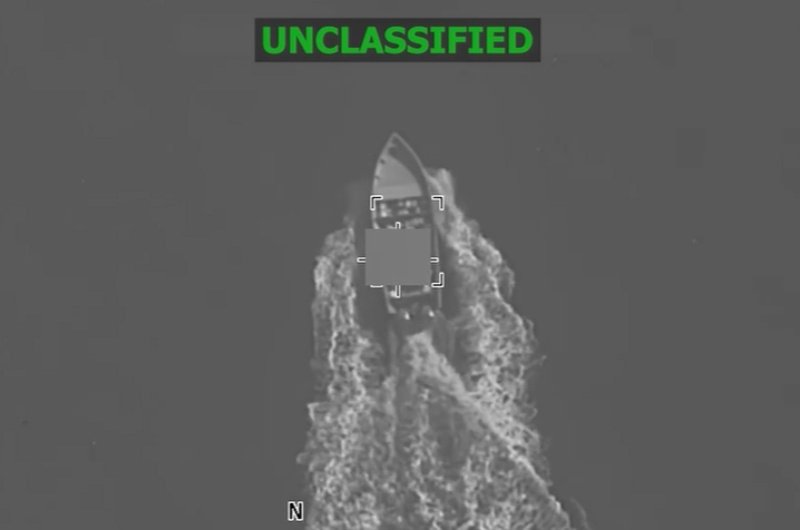
The U.S. military has carried out targeted strikes on three vessels in the eastern Pacific Ocean linked to narcotics trafficking, killing eight people on board, according to defense officials. The operation marks the latest escalation in a campaign aimed at disrupting maritime smuggling routes used by transnational drug networks.
According to U.S. military officials, the operation was not a seizure mission but a targeted military action. On December 15, Joint Task Force Southern Spear carried out “lethal kinetic strikes” against three vessels operated by designated terrorist organizations along known narco-trafficking routes in the Eastern Pacific. Intelligence officials said the ships were actively engaged in narcotics trafficking, and all three vessels were destroyed during the operation. Eight suspected narco-terrorists were killed across the three vessels. The Pentagon said it has not released additional operational details publicly due to the sensitive nature of the intelligence involved.
The operation is part of a broader strategy that has intensified since early fall, as the administration expands the role of the U.S. military in combating the flow of illicit narcotics into the United States. Officials have framed the campaign as a necessary response to the fentanyl crisis, increasingly characterizing major drug trafficking organizations as national security threats rather than purely criminal enterprises.
That framing has drawn growing scrutiny from lawmakers and legal experts, who are questioning the legal basis for using military force in operations traditionally handled through law enforcement and interdiction. Concerns have centered on whether such strikes comply with international humanitarian law, particularly when conducted far from declared combat zones and against individuals not formally designated as combatants.
Pentagon leaders and senior administration officials are expected to brief members of Congress in the coming days, addressing questions about rules of engagement, oversight, and the scope of authority underpinning the campaign. Lawmakers from both parties have signaled a desire for clearer boundaries as the operations expand in frequency and geographic reach.
While officials argue the strikes are weakening smuggling networks, the campaign has raised broader questions about precedent and long-term consequences. As military force becomes a more prominent tool in the fight against drug trafficking, the debate is shifting beyond tactical success to whether the approach reshapes U.S. policy in ways that could carry lasting legal and geopolitical implications.