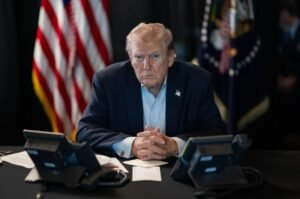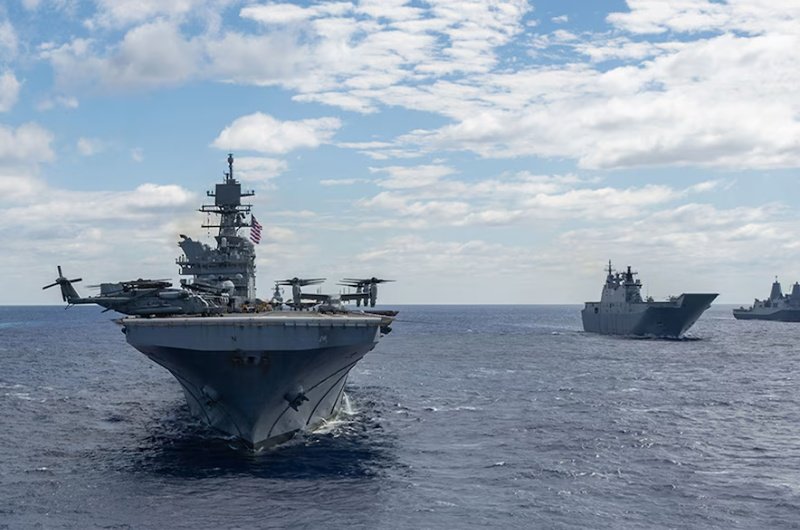
The United States has sharply escalated its military presence in the Caribbean, with President Trump authorizing a major expansion of naval, air, and special-operations forces across the region. The buildup — linked to Trump’s sweeping mandate to target drug traffickers “anywhere they operate” — comes as neighboring nations express growing alarm that the Caribbean could be drawn into a larger geopolitical crisis.
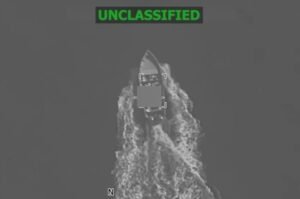
At the center of the escalation is Operation Southern Spear, a Defense Department mission launched earlier this year that has already included more than 20 U.S. airstrikes on vessels Washington claims were operated by “narco-terrorists.” The operations have resulted in dozens of deaths. Trump said this week that “any country” found trafficking drugs into the United States could face military action, a statement that widened the mission’s scope and raised new questions about the administration’s strategy in the region.
The increased deployments follow the unexpected appearance of a radar signature off Trinidad and Tobago that U.S. officials claim was linked to Venezuelan military activity — a claim regional leaders have disputed. Caribbean governments, already uneasy over the pace and secrecy of U.S. operations, warned that unchecked American military activity could destabilize the area and heighten tensions with Venezuela’s Nicolás Maduro.
Defense Secretary Pete Hegseth has defended the operations, calling them a necessary response to “well-known trafficking corridors” and invoking the “fog of war” after a controversial follow-on strike earlier this year. But human-rights groups and international legal experts argue the United States is engaging in targeted killings without due process, with little transparency about who is being targeted and why.
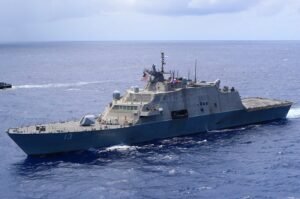
For now, the region is watching closely as the United States moves additional ships, aircraft, and personnel into strategic positions throughout the Caribbean. With Trump signaling a willingness to strike even beyond traditional conflict zones, Washington’s widening mission could reshape U.S. relations with Latin America — and turn a long-standing anti-trafficking agenda into one of the most consequential foreign-policy flashpoints of his presidency.