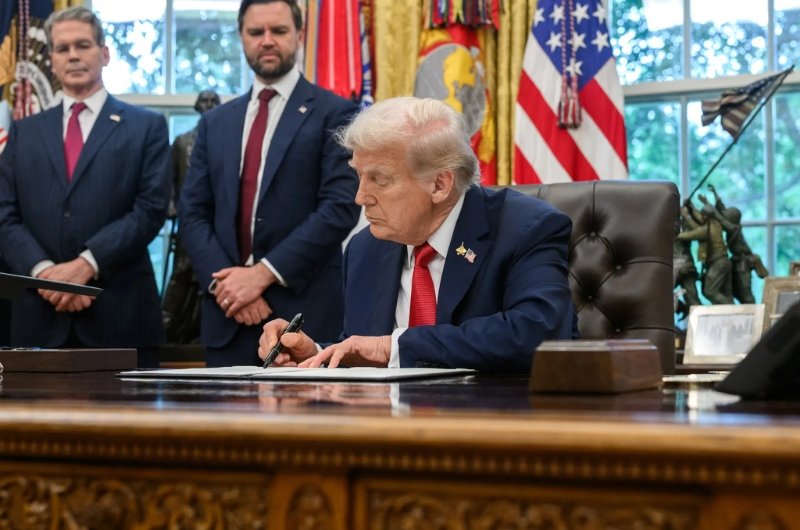
President Trump on Wednesday signed legislation ordering the release of long-sealed records connected to the Jeffrey Epstein case, directing the Justice Department to make the documents publicly accessible and remove barriers that have kept them restricted for years. The signing establishes a 30-day deadline for the first wave of records to be released, marking a major turning point in a case long defined by secrecy and unanswered questions.
Administration officials said the release is expected to include investigative materials, depositions, travel and flight details, financial records, and communications that formed part of various inquiries connected to Epstein and his network of associates. The scope of what will be revealed remains uncertain, but the signing immediately triggered preparations inside federal agencies to coordinate the rollout.
The decision has drawn swift reaction in Washington, with lawmakers from both parties expressing support and calling the development a needed measure of accountability. Victims’ advocacy groups also praised the move, describing the release as a long-overdue step toward transparency and closure for survivors who have waited years for answers.
The legislation allows for limited redactions to protect victim identities and to avoid interference with any open investigations. How extensively those redactions are applied is expected to be closely watched once the records begin to emerge.
Officials have not yet confirmed the exact date when the first installment will be made public, but early release windows are reportedly being discussed. Congressional committees are already preparing hearings to examine the disclosures and assess what information may still be missing.
——————
Related:
What Happens Now That the Epstein Files Are Being Released
Congress Forces Release of Epstein Files in Overwhelming Bipartisan Vote