The U.S. Consumer Price Index rose 0.4% in August, according to the latest report released Friday by the Bureau of Labor Statistics. Higher gasoline costs helped push inflation upward, adding another financial pressure for households already confronting sharply higher fuel prices and borrowing costs.
Consumer prices were up 3.4% from a year earlier, while core inflation, which excludes volatile food and energy prices, increased 0.3% for the month and 2.4% from a year ago. The overall monthly increase was the largest since January and came in roughly in line with economists’ expectations.
Gasoline was an important contributor to the August increase, and energy costs have continued climbing since the period covered by the report. Oil prices have recently topped $100 a barrel, while the national average price of diesel has climbed above $6 a gallon. Sustained increases in fuel costs can reach consumers beyond the gas station because transportation expenses affect the cost of moving food, merchandise and other goods around the country.
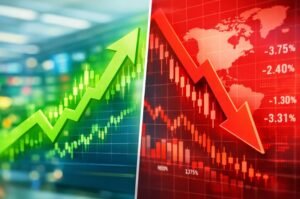
The inflation report also arrives just days before the Federal Reserve’s next interest-rate decision. Investors have increasingly priced in the possibility of another rate increase as policymakers weigh persistent inflation against other signs of the economy’s direction. Treasury yields have also risen sharply, with the 10-year yield recently approaching 5%.
For consumers, another Fed rate increase could contribute to higher borrowing costs or keep already elevated rates from falling. Mortgage rates, auto financing, credit cards and some other forms of consumer borrowing are influenced directly or indirectly by interest rates and broader financial-market conditions.
The Readovia Lens
August’s inflation numbers were largely expected, but the financial environment surrounding them has changed rapidly. Higher oil and fuel prices, rising Treasury yields and the possibility of another Federal Reserve rate increase mean Americans could feel additional pressure not only when paying for everyday goods, but also when borrowing for a home, car or other major purchase.