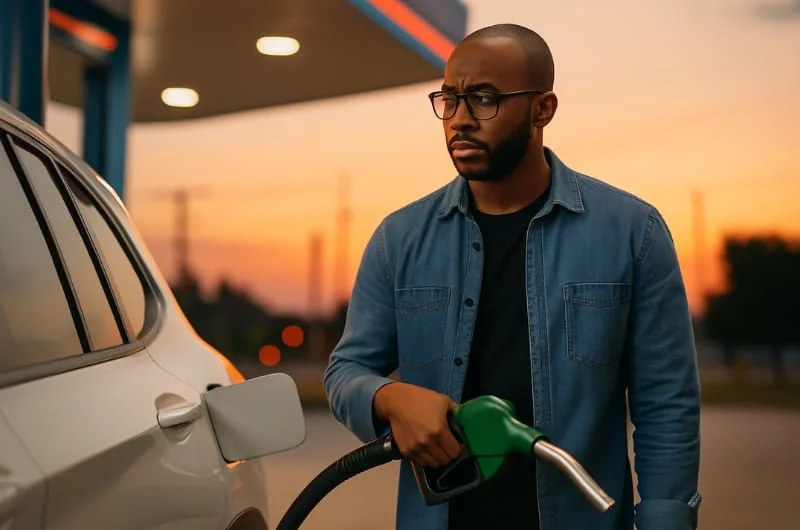
The United States has struck an extraordinary agreement giving it majority control over the development of more than 65 billion barrels of Venezuelan oil, with President Donald Trump promising the deal will eventually help bring down gasoline prices for American drivers.
The agreement covers 17 Venezuelan oilfields and gives the U.S. an intended 55% participation in the partnership developing them. Venezuela says the bilateral project will run for 25 years and initially target production of more than 1.5 million barrels per day. The scale is enormous: the 65 billion barrels involved exceed the roughly 46 billion barrels of proved oil reserves currently held in the United States.
But drivers shouldn’t expect the agreement to suddenly produce cheaper gasoline. Most of those 65 billion barrels are still underground, and Venezuela’s oil industry has suffered from years of underinvestment, deteriorating infrastructure, sanctions and economic turmoil. Bringing substantially more Venezuelan crude onto the global market will require major investment in wells, pipelines and other infrastructure, meaning the biggest production gains could take years.
The deal could nevertheless become an important long-term source of oil for the United States. Venezuelan crude obtained through the agreement is expected to supply the Strategic Petroleum Reserve, the nation’s emergency oil stockpile, as well as other U.S. needs. That could eventually give the country another substantial source of crude while helping rebuild reserves drawn down during previous supply disruptions.
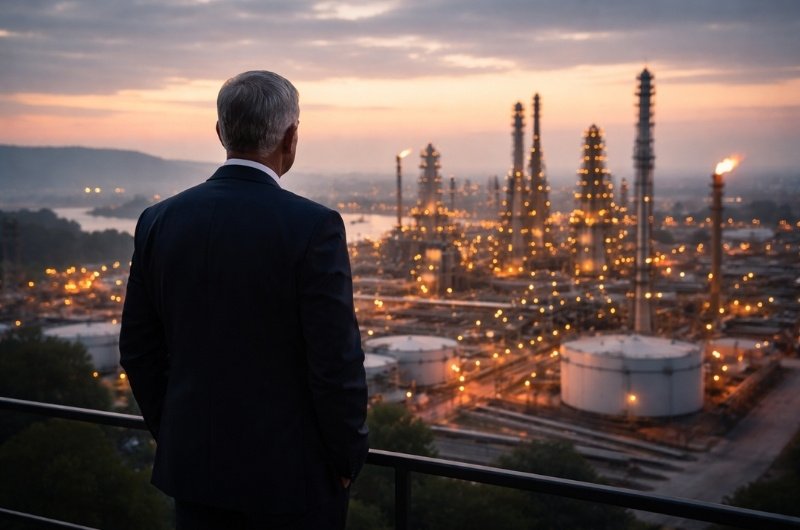
The timing matters for American wallets. Oil prices jumped again Monday after renewed fighting between the United States and Iran around the Strait of Hormuz, illustrating how quickly geopolitical disruptions can push energy costs higher. More Venezuelan production could eventually add another substantial source of crude to the market and reduce some of that pressure, but the new agreement does little to solve the immediate supply problem confronting drivers today.
There are also major unanswered questions surrounding the agreement itself. No full contract has been made public, the private operator involved has not been identified, and energy and legal experts are questioning how parts of the unusual arrangement will work. That makes the promise of lower gasoline prices just that for now: a promise whose impact will depend on whether billions of dollars in investment actually reach Venezuela’s oilfields and how quickly additional barrels can make it from underground to the global market.