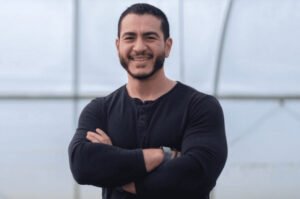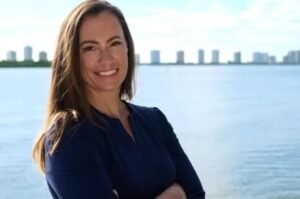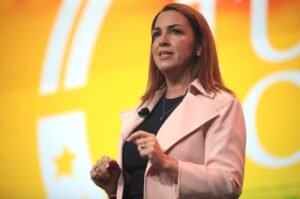


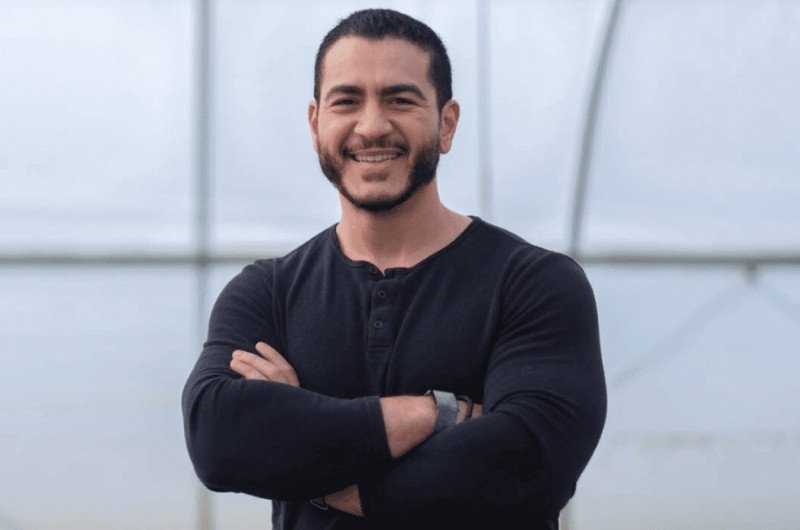
Abdul El-Sayed has won Michigan’s Democratic primary for U.S. Senate, narrowly defeating U.S. Rep. Haley Stevens after a closely contested race that took more than a day to call. The victory puts the 41-year-old physician and progressive Democrat into a November showdown with Republican Mike Rogers — and within reach of becoming the first Muslim elected to the U.S. Senate.
El-Sayed is a doctor and former public-health official who previously led Detroit’s health department. He first gained national political attention during his unsuccessful 2018 campaign for Michigan governor, then spent several years largely outside electoral politics before returning for the open Senate race. His latest campaign built a large grassroots operation that held hundreds of events across Michigan and attracted thousands of volunteers.
Politically, El-Sayed has aligned himself with the Democratic Party’s progressive wing and received support from figures including Sen. Bernie Sanders and Rep. Alexandria Ocasio-Cortez. His campaign emphasized expanding health coverage, lowering costs for working families, reducing the influence of large donors in politics and ending unconditional U.S. military aid to Israel. That agenda put him in sharp contrast with Stevens, who had support from prominent Democratic establishment figures and benefited from tens of millions of dollars in outside spending.
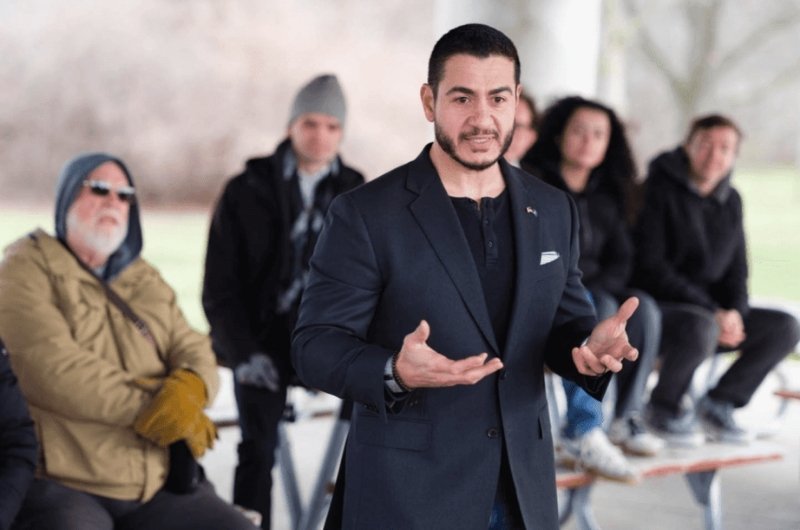
His narrow victory is attracting national attention because Michigan is not a reliably Democratic state. President Donald Trump carried it in 2024, and Democrats need to defend the open Senate seat as part of an already difficult path toward winning control of the chamber. El-Sayed’s campaign will therefore become a major test of whether a progressive candidate who energized Democratic primary voters can build a broader coalition in one of the country’s most important swing states.
That challenge begins immediately. Rogers, a former congressman who narrowly lost Michigan’s 2024 Senate election, is already working to portray El-Sayed as too far left for the state. El-Sayed, meanwhile, must bring together Democrats after a divisive primary and win over voters who did not support him. If he succeeds in November, his victory would be significant both for the battle over Senate control and for American political history.