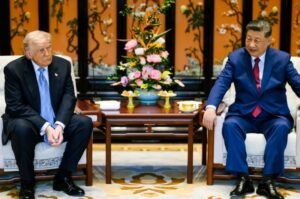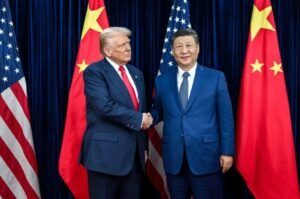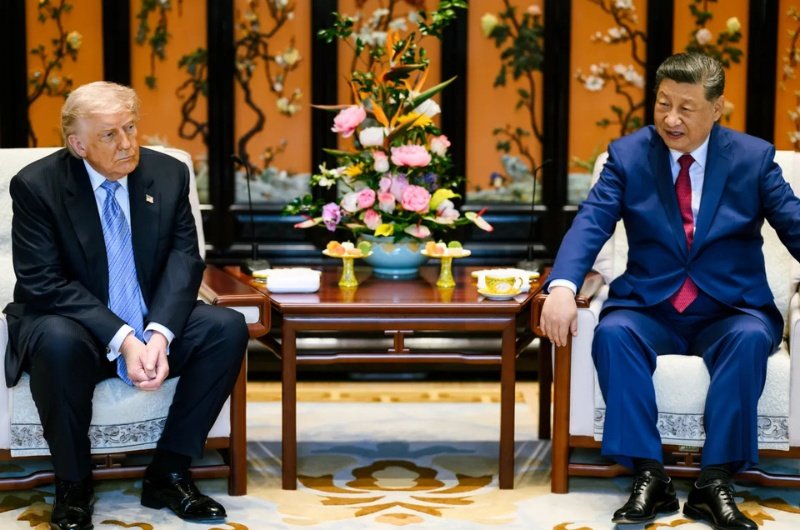
President Trump’s high-level summit with Chinese President Xi Jinping produced a series of major economic and geopolitical developments this week, including a massive Boeing aircraft agreement that could become one of the largest aviation deals in modern history.
According to the White House, China agreed to purchase 200 Boeing aircraft, with discussions underway that could eventually expand the order to as many as 750 jets — a move expected to deliver a significant boost to American manufacturing and aerospace jobs.
The summit also produced broader diplomatic signals beyond aviation. Treasury Secretary Scott Bessent said the United States and China are now discussing the creation of a joint Board of Investment, a proposal that could open the door to deeper economic coordination between the world’s two largest economies after years of trade friction and strategic distrust.
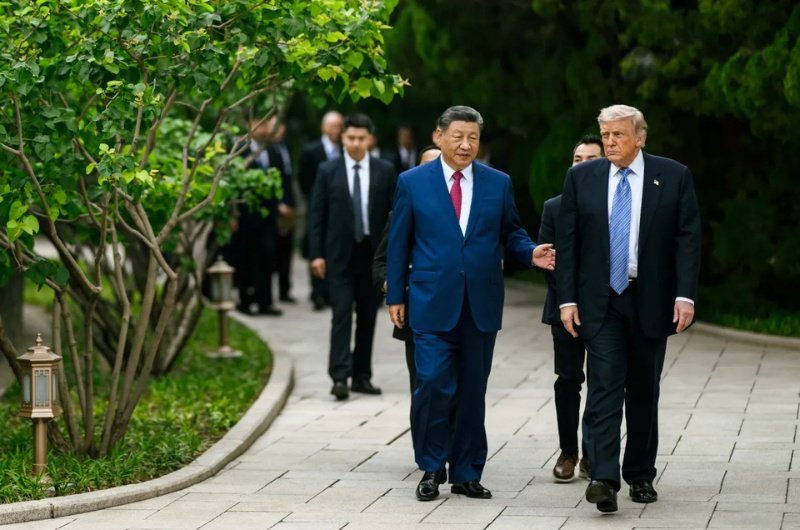
At the same time, both nations reportedly agreed that Iran must not control the Strait of Hormuz, one of the world’s most important energy shipping corridors. The agreement reflects growing concern over global energy stability as tensions continue to simmer across the Middle East.
The summit concluded with President Trump inviting President Xi to visit the White House later this year, signaling what could become a broader effort to stabilize one of the most consequential relationships in global politics.